

Analog vs Digital Source: Measuring Facts Against Dogma
Few debates in audio inspire more conviction—or confusion—than analog versus digital. It’s an argument that’s persisted for decades, shaped as much by emotion and nostalgia as by data. But beneath the passion lies a simple question worth revisiting: what do the measurements actually tell us—and what do they miss?
The Measurable Truth
On paper, digital wins easily. Modern high-resolution formats can reproduce frequencies from 0 Hz to beyond 40 kHz (with 96 kHz sampling), maintain dynamic ranges above 120 dB, and keep distortion well below the threshold of audibility. Vinyl, by contrast, tops out around 70 dB of dynamic range and begins to roll off in both the lowest and highest octaves due to mechanical limitations.
Wow, flutter, surface noise, crosstalk—these are measurable imperfections of the medium itself. In terms of objective linearity, there’s no contest. A modern DAC is a scientific instrument.
So why do so many listeners still describe analog as more alive or realistic?
The Psychoacoustics of Presence
The answer lies in what measurements don’t always capture: how we perceive complexity. Analog recordings, especially those cut to vinyl, undergo continuous, non-quantized modulation. The noise floor is higher, but it’s also spectrally “natural”—a smooth, broadband hiss rather than the discrete quantization noise of digital truncation.
Add to this the coloration of analog circuitry—tape saturation, transformer behavior, vacuum tube amplification—and you get subtle harmonic structures that interact with the ear in musically consonant ways. These even-order harmonics don’t necessarily improve accuracy, but they can enhance perceived realism. They fill the gaps between sterile perfection and emotional presence.
Digital’s mathematical precision, while technically superior, can sound less convincing if the playback chain is too linear or sterile. The music is all there—but sometimes it doesn’t feel there.
Science vs Ideology
The myth that “analog is better” or “digital is soulless” oversimplifies both. Each medium has its own strengths and compromises. Analog excels at continuous variation and harmonic coherence. Digital excels at dynamic accuracy and freedom from degradation.
The real issue is rarely the format—it’s the implementation. Poor analog stages can make vinyl sound dull or noisy. Poor digital conversion can make a high-resolution file sound brittle. Both can be extraordinary when executed well.
When you compare the two through identical downstream hardware—same preamp, same amp, same transducers—the differences narrow dramatically. What most listeners react to isn’t analog vs digital, but how each is handled before reaching the ear.
écoute: Bridging the Divide
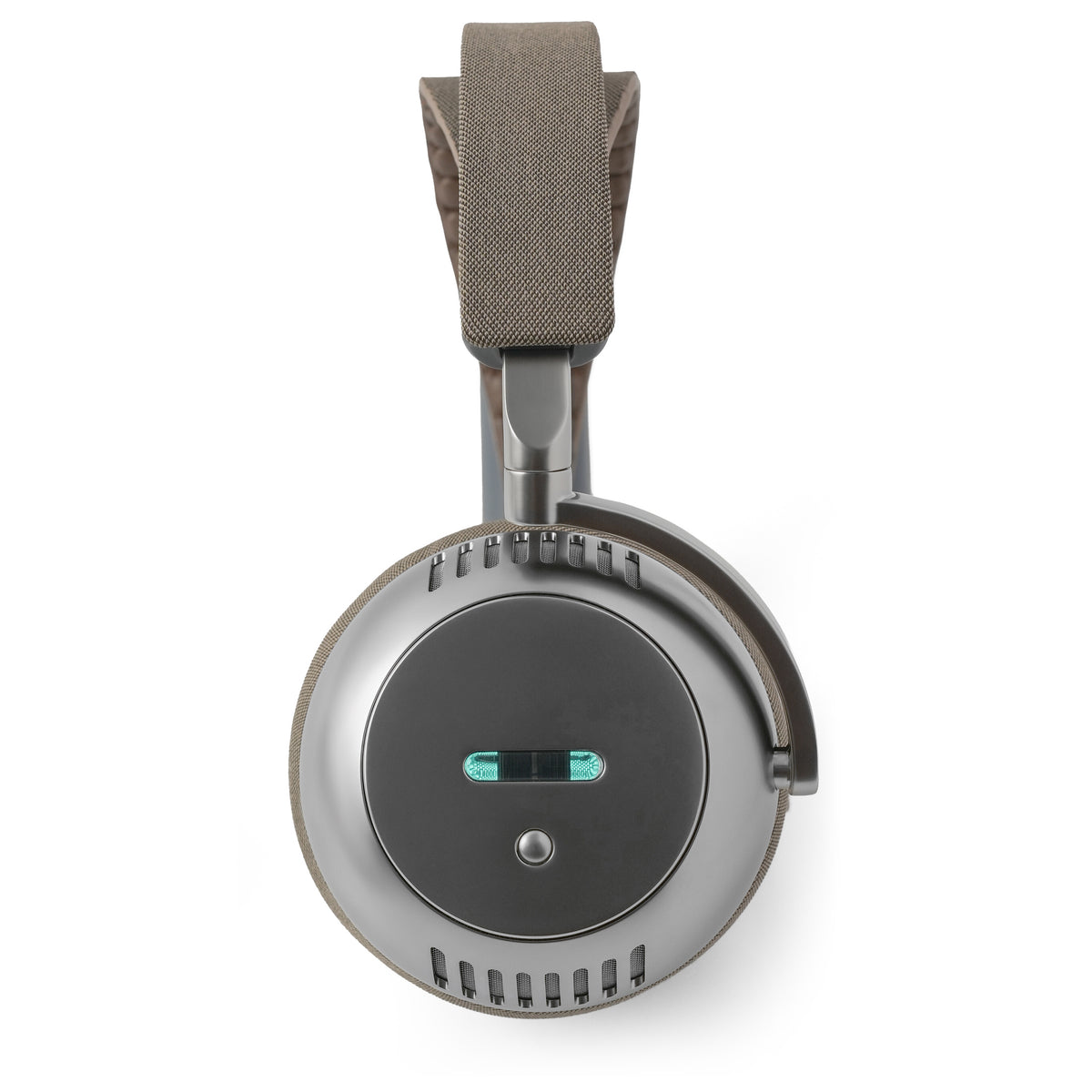
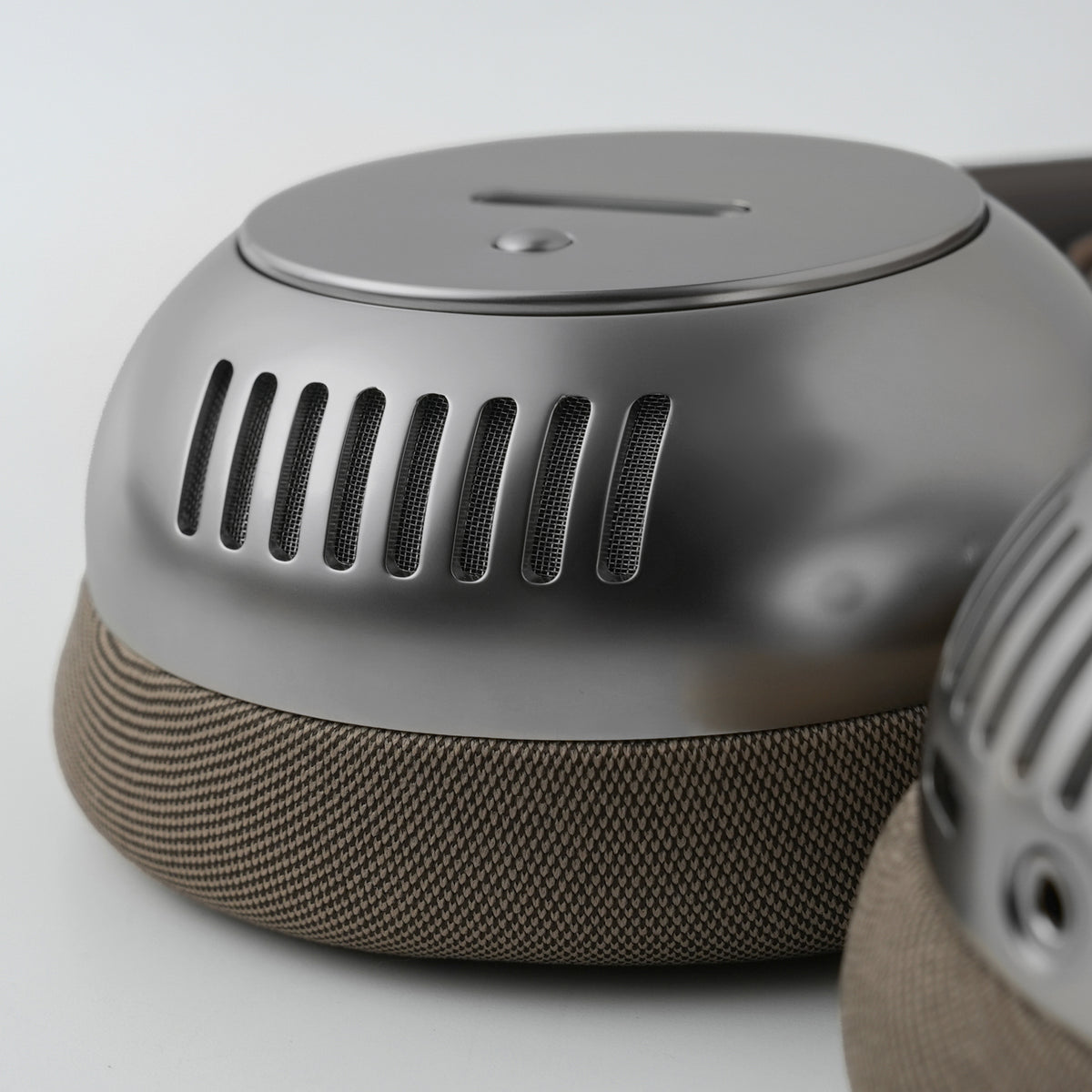
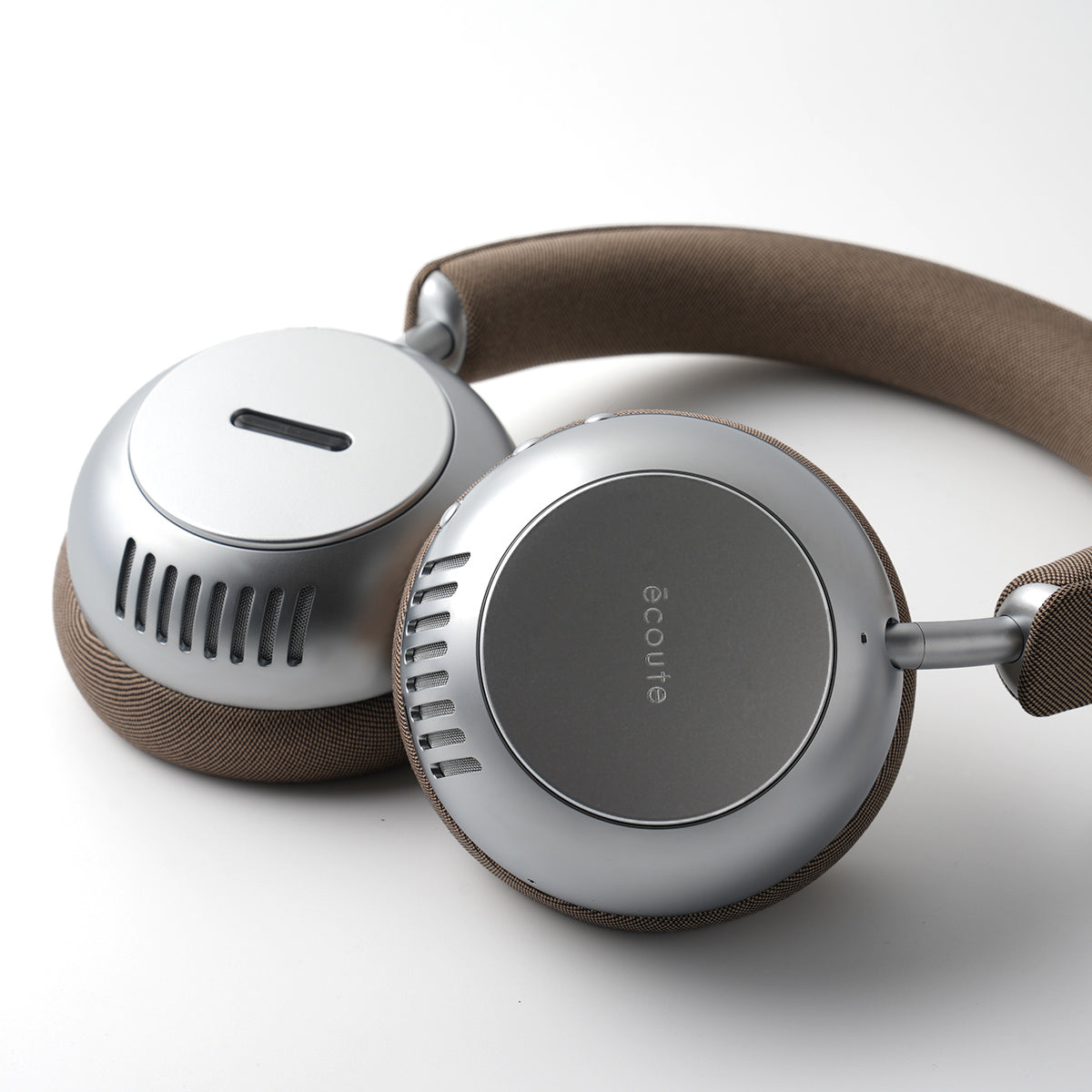
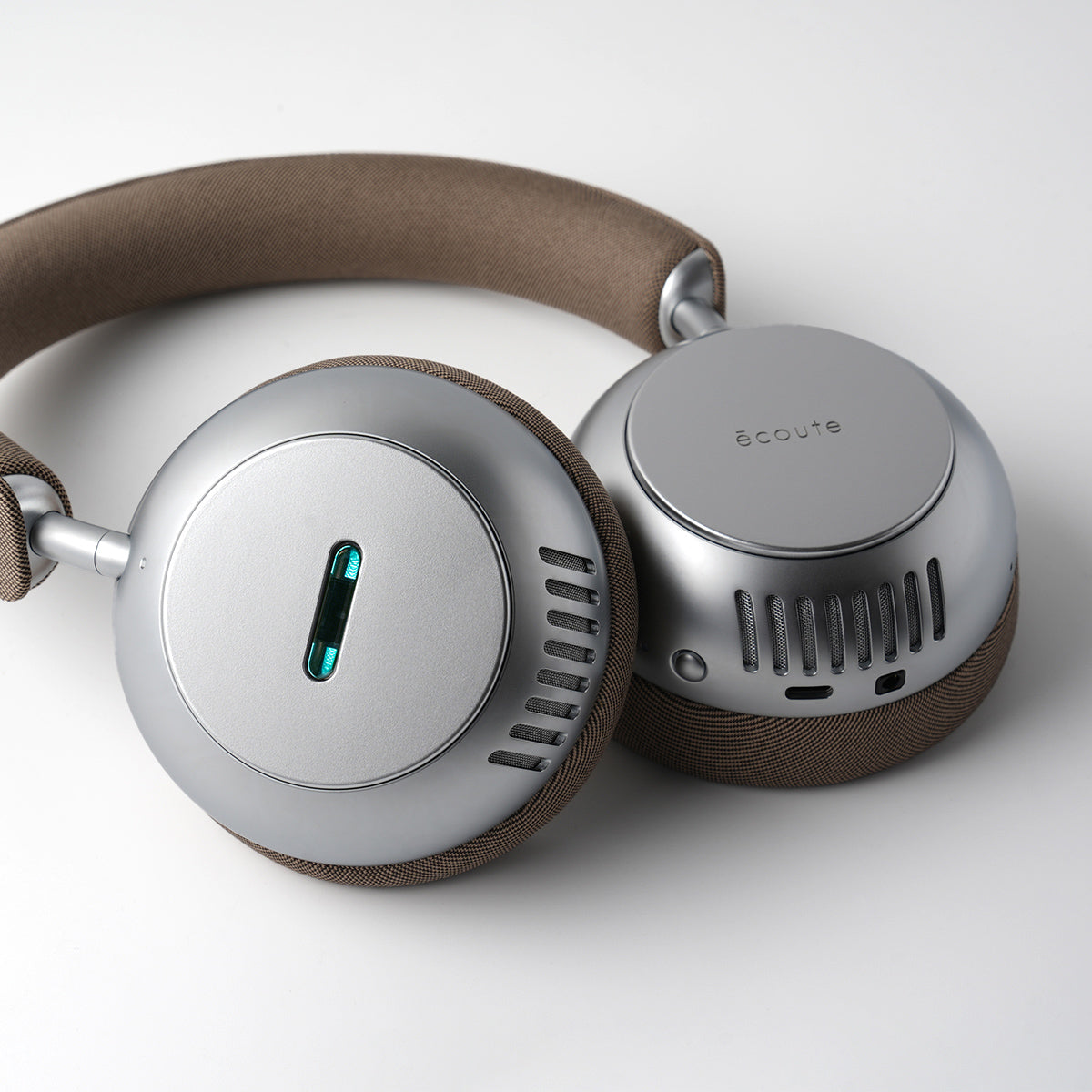
écoute was designed to honor both worlds. Inside each headset, a high-resolution DAC handles digital sources with the same precision as a reference desktop unit. Its output then passes through dual discrete vacuum tube preamps—real triode stages, one per channel—before feeding independent analog amplifiers.
That architecture does something few systems—portable or otherwise—can achieve: it brings digital’s clarity into an analog domain rich with harmonic depth and spatial realism. The result is neither sterile nor colored—it’s simply complete.
Whether you stream from Qobuz or cue up vinyl through an analog input, the experience retains digital’s transparency and analog’s presence. It sounds less like playback and more like the original performance.
In the End, It’s All About Fidelity
True high fidelity means faithfulness to intent, not allegiance to format. Analog and digital are tools—languages for capturing and conveying sound. The better question isn’t which is “superior,” but which one lets you forget the debate and focus on the performance itself.
At écoute, that’s the goal: to stop choosing sides and start hearing everything that matters.

Leave a comment
This site is protected by hCaptcha and the hCaptcha Privacy Policy and Terms of Service apply.