

Beyond 20 to 20k: What We Really Hear (and What We Don’t)
For decades, “20 Hz to 20 kHz” has been the sacred benchmark of human hearing—the range from the lowest sub-bass rumble to the highest shimmer of cymbals. It’s printed on spec sheets, repeated in marketing copy, and treated as the boundary of what defines “full-range” sound.
But that range isn’t a technological limit—it’s biological. The 20 Hz–20 kHz standard was established not because that’s all audio gear can reproduce, but because it represents the approximate limits of human hearing.
The Truth Behind the Numbers
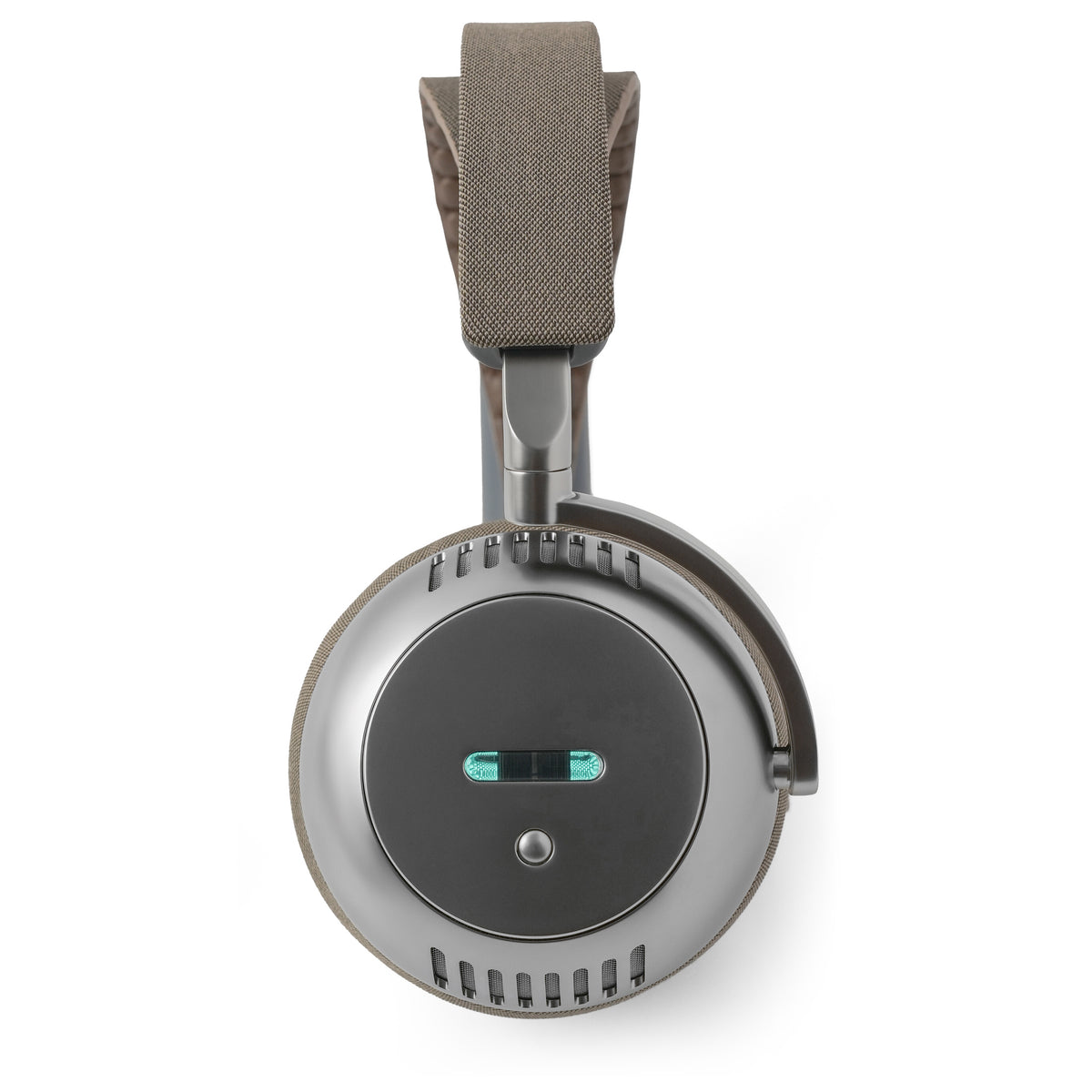
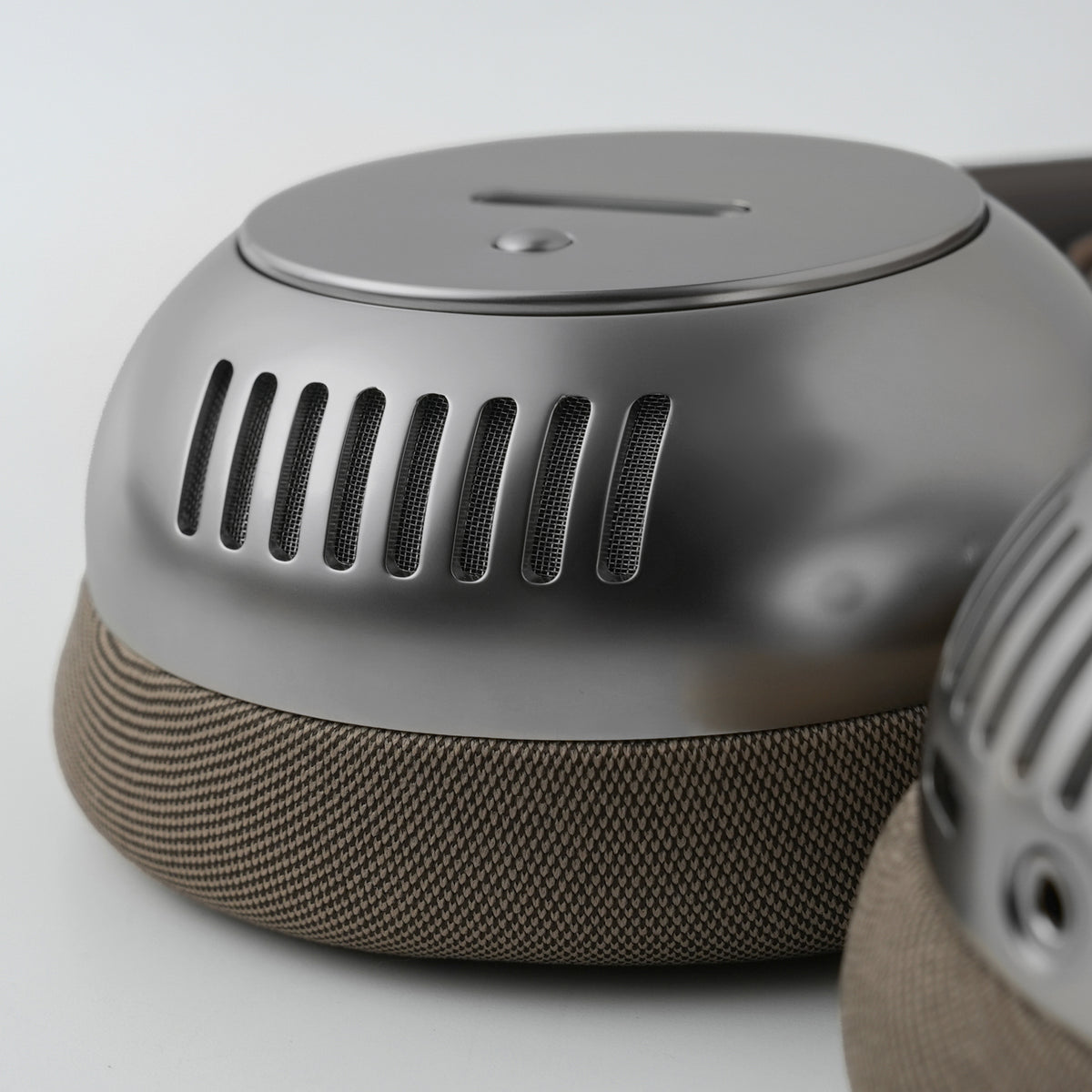
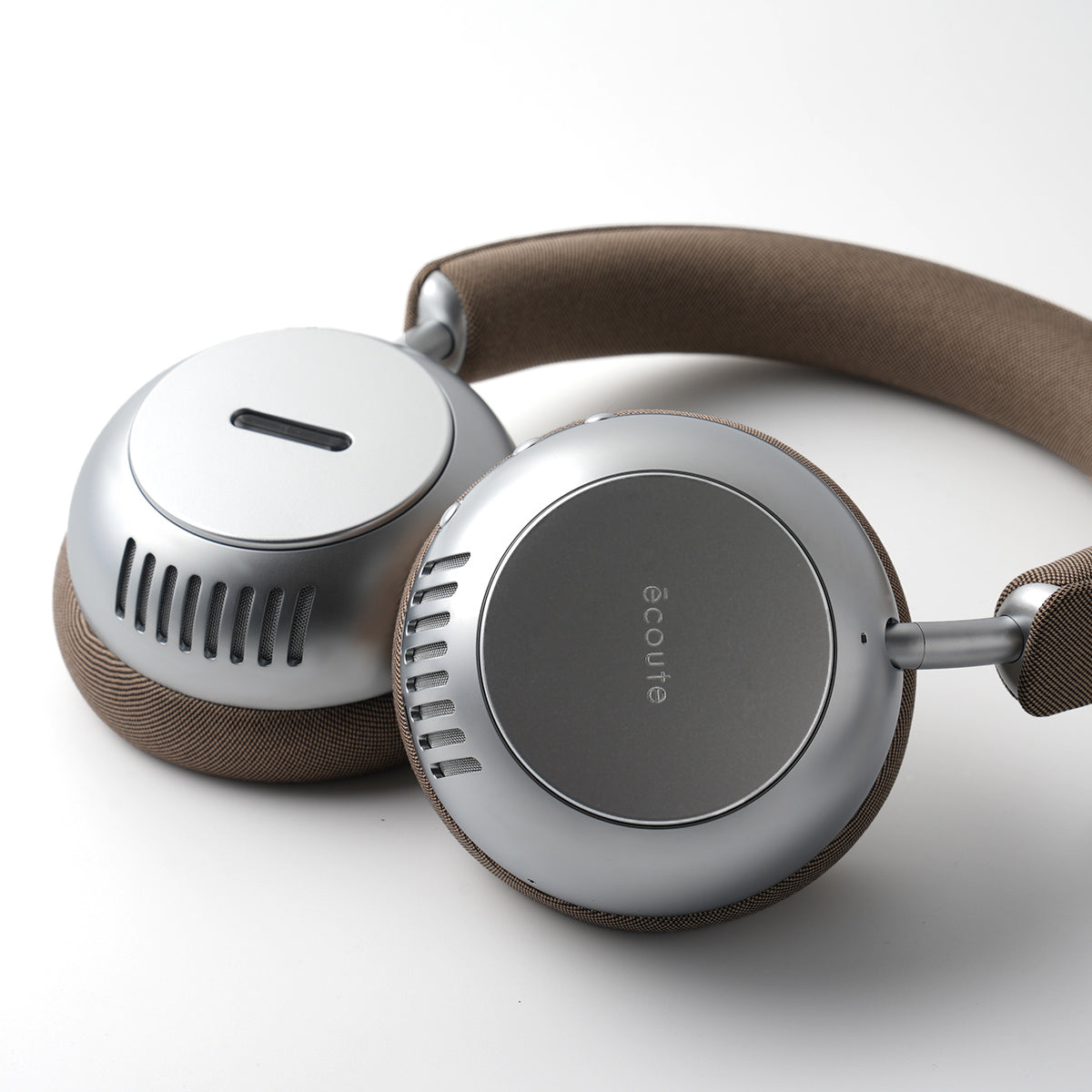
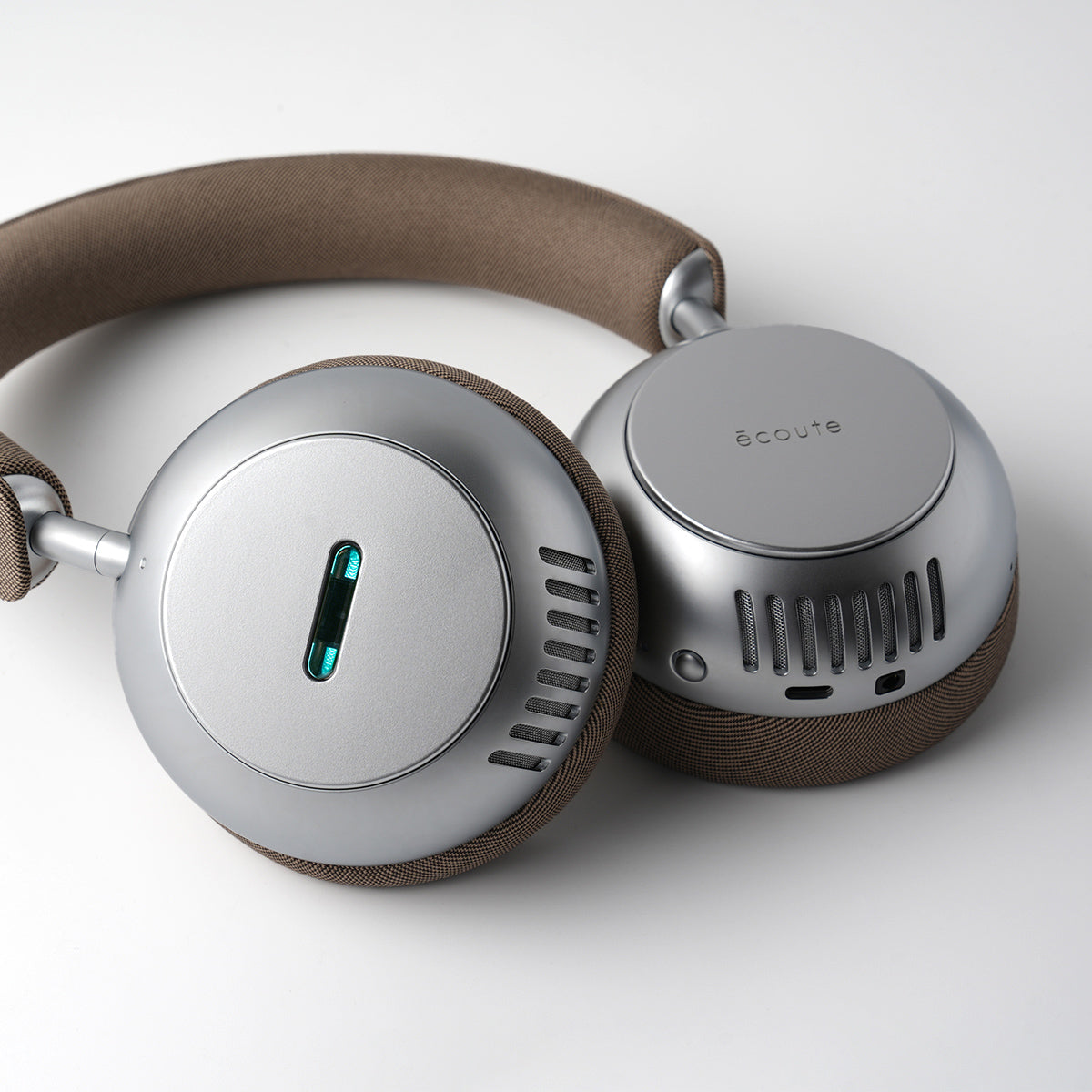
Modern transducers, DACs, and amplifiers easily exceed the 20–20k range. Dynamic drivers like those in écoute headphones often extend into the 30 kHz region, while electrostatic and planar designs can go higher still. But reproducing frequencies we can’t perceive doesn’t add meaningful information.
What’s changed since the 1940s isn’t the range itself—it’s how precisely we can reproduce sound within that range:
- Lower distortion
- Flatter phase response
- Faster transient behavior
- Wider dynamic range
So while the numbers haven’t changed, the fidelity inside those numbers has. The standard isn’t outdated—it’s grounded in what the ear can actually resolve.
Audible vs. Inaudible—And Why It Matters
When audio gear lists “20 Hz–20 kHz,” it doesn’t mean there’s no sound beyond that—it means that’s the addressed range, the frequencies the product is designed and tuned to reproduce accurately. There may be sound above and below, but it’s not part of the calibration target.
Manufacturers that advertise playback up to 50, 80, or even 100 kHz are selling numbers, not performance. Those figures look impressive but offer no audible benefit. The exception is in-room subwoofers, where sub‑20 Hz waves can be felt as pressure rather than heard. In headphones, that level of sub‑bass can cause discomfort or motion sickness.
What We Hear—and What We Sense
Still, inaudible frequencies can influence perception indirectly. Sub‑20 Hz energy adds physical presence; ultrasonic harmonics can affect phase relationships within the audible range, subtly shaping how we perceive space and realism.
This is where analog and tube‑based systems excel: they preserve the harmonic and phase integrity that our ears interpret as warmth and depth. It’s not about extending bandwidth—it’s about maintaining coherence across the spectrum we actually hear.
The Real Shift: Accuracy Over Extremes
As we age, high‑frequency sensitivity naturally declines—often below 17 kHz by our forties and closer to 12 kHz by our sixties. Yet seasoned listeners often hear better in a musical sense. That’s psychoacoustics: years of experience teach the brain to reconstruct missing information from harmonic context.
The goal of modern hi‑fi isn’t chasing ultrasonic extension—it’s achieving greater accuracy, realism, and emotional truth within the audible band.
That’s why designs like écoute’s dual‑mono signal path and vacuum‑tube preamp stage matter. Instead of inflating specs, they refine what counts most: harmonic structure, midrange accuracy, and stereo separation—the ingredients that make music feel real.
In the End: Fidelity Within the Frame
The limits of human hearing haven’t changed—but our ability to reproduce sound within those limits has advanced dramatically, and the range itself was never the challenge—it’s what we do inside it.
We don’t hear everything, but when a system reproduces what we can with precision and coherence, the illusion of live music becomes complete. The goal of high fidelity isn’t to chase what’s beyond 20 to 20k—it’s to make everything within it sound unmistakably alive.

Leave a comment
This site is protected by hCaptcha and the hCaptcha Privacy Policy and Terms of Service apply.