

Bluetooth and the Myth That “Wireless is Inherently Bad”
Among audiophiles, few words spark as much skepticism as Bluetooth. For years, the assumption has been simple: wireless equals compressed, compressed equals low fidelity, therefore Bluetooth must be “bad.”
It’s an understandable belief. Early Bluetooth audio relied on low bitrates and lossy codecs like SBC, which stripped away detail and left music sounding flat. Many listeners never updated their impressions after those first encounters. But the truth today is very different.
What Bluetooth Actually Delivers Now
Modern codecs have taken Bluetooth far beyond earlier limitations:
- LDAC (24-bit/96 kHz, Android): supports up to 990 kbps transmission. While its raw bitrate is lower than CD’s 1,411 kbps at 16-bit/44.1 kHz, LDAC allows higher sampling rates and bit depth, placing it well within the definition of hi-res audio.
- AAC (16-bit/44.1 kHz, Apple): supports up to 256 kbps transmission. Although lower in bitrate, AAC is engineered for perceptual transparency—indistinguishable from lossless in most double-blind tests when paired with CD-quality streaming content.
- Streaming platforms like Tidal, Qobuz, and Apple Music often deliver music in FLAC or ALAC at resolutions higher than CD—but the limiting factor is rarely Bluetooth. In fact, LDAC’s ceiling is higher than what most services even supply.
In other words: modern Bluetooth isn’t the bottleneck many still assume it to be.
Wired vs. Wireless
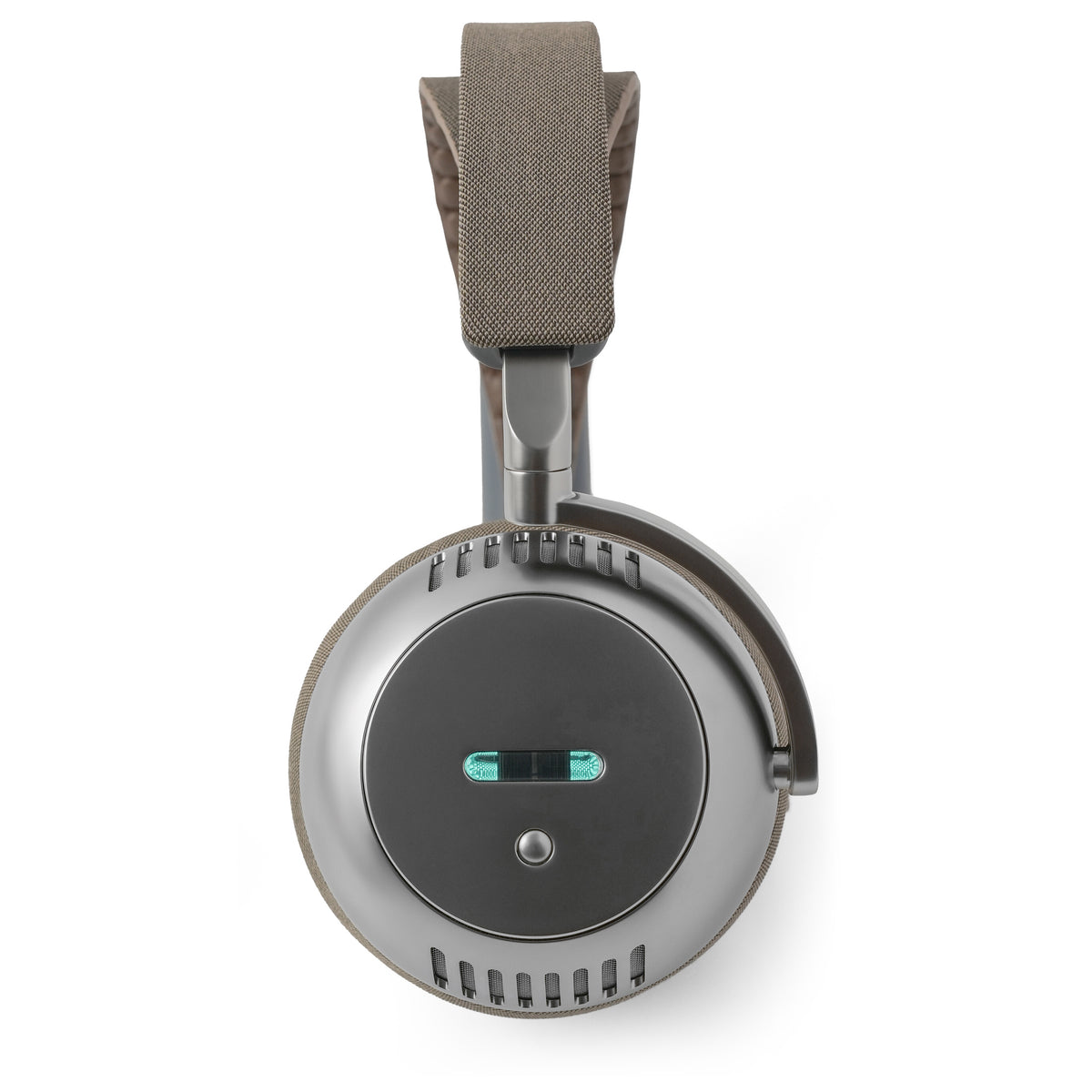
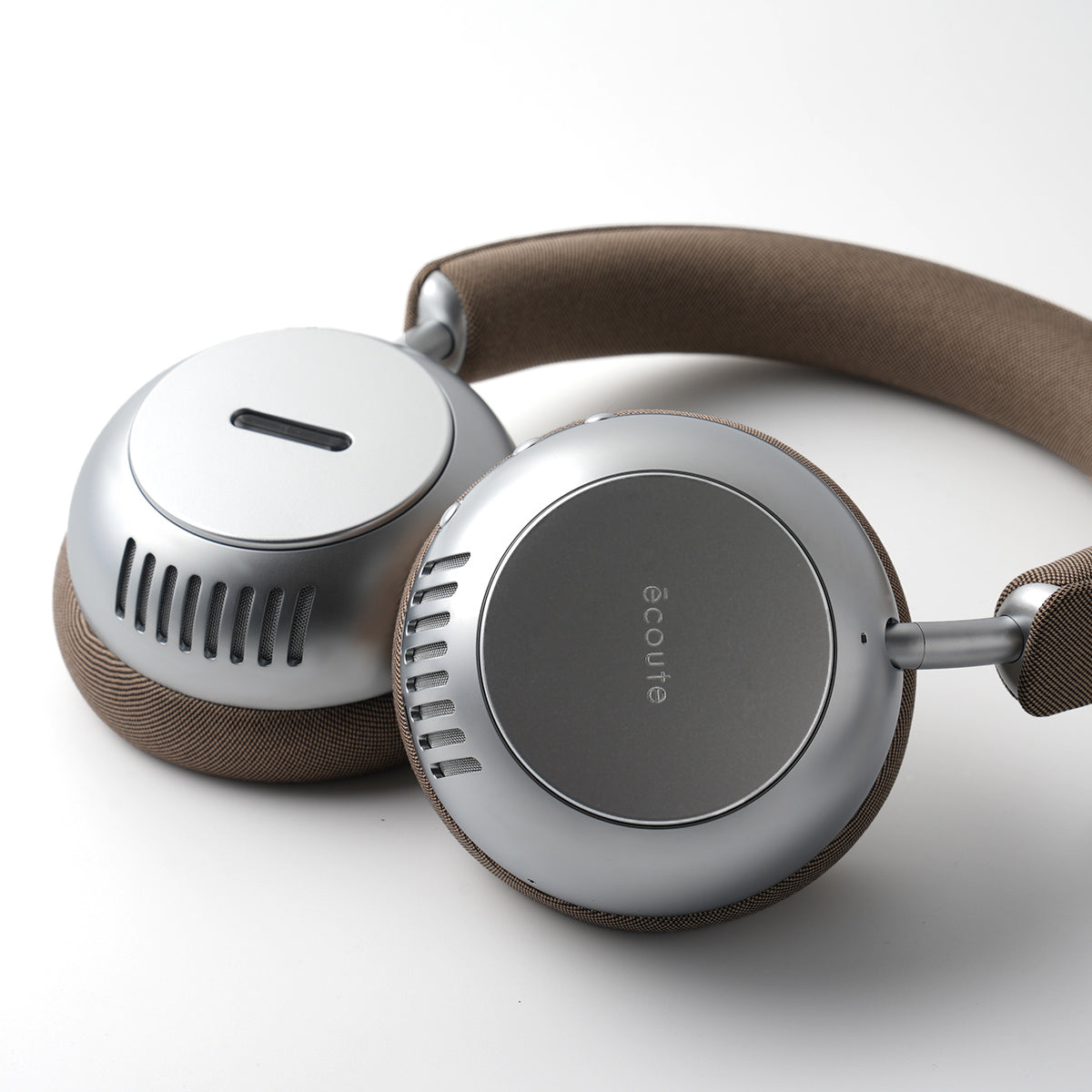
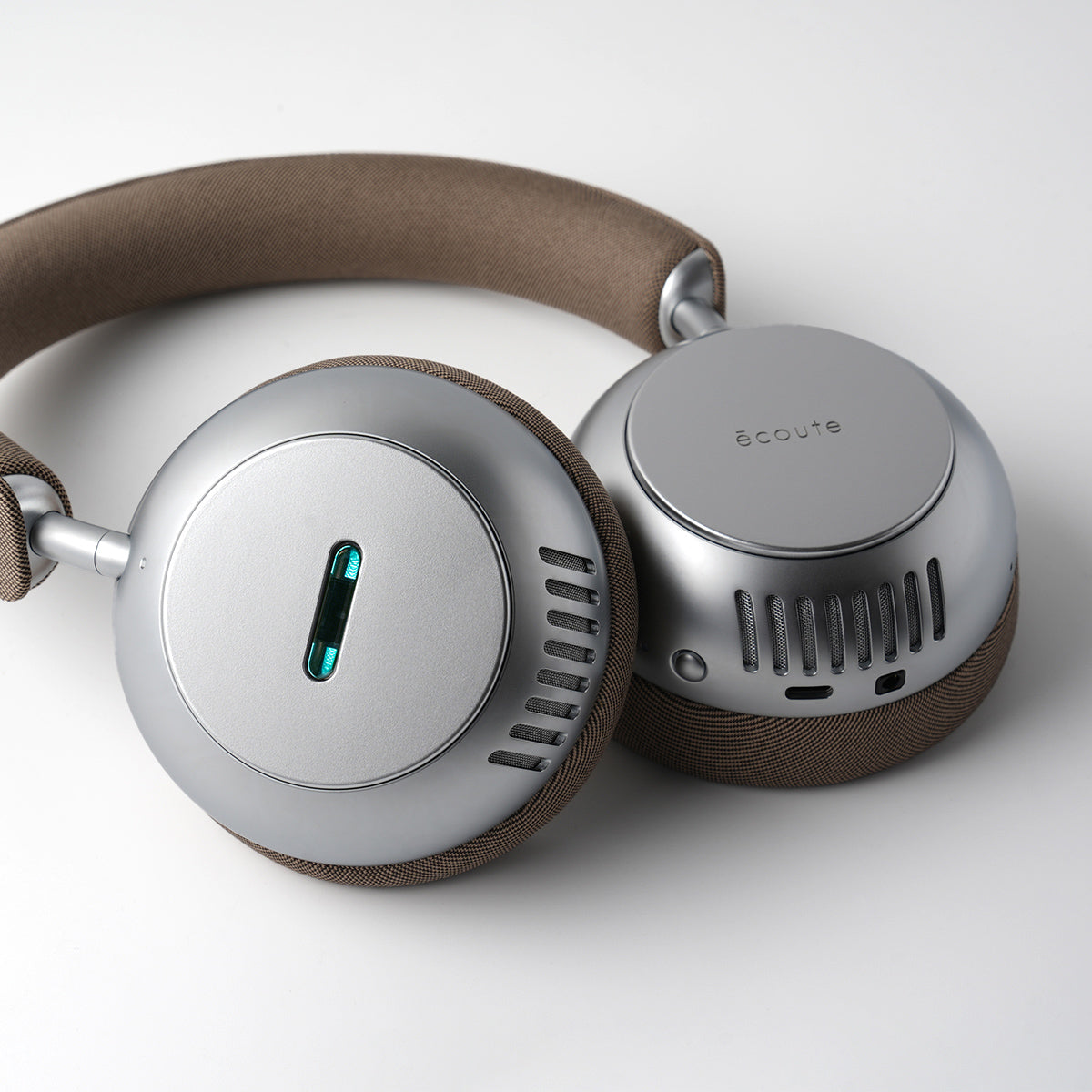
A good wired connection still objectively holds advantages. It removes variables like codec negotiation, wireless interference, and bandwidth limits. It’s direct, reliable, and consistent. For critical listening at home, it remains the reference (which is why écoute headphones have both lossless digital and analog input ports).
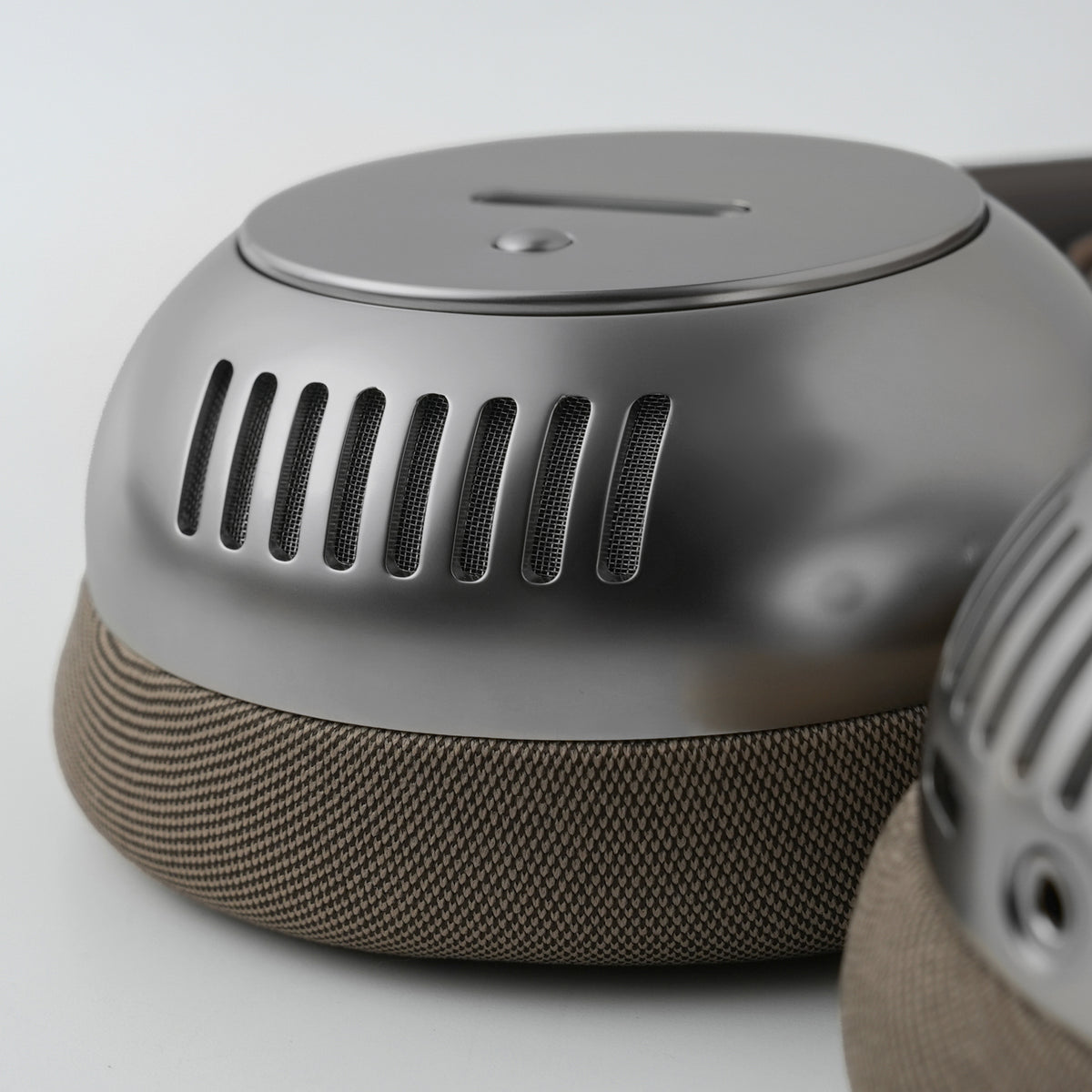
But the gap has closed dramatically. In a carefully designed signal chain—like the one inside écoute—the difference is often academic. In real-world listening environments such as commutes or offices, it’s often indistinguishable. Our dual-mono amplification and vacuum tube preamp ensure that even wireless input is rendered with warmth, presence, and the analog character audiophiles value. The delivery matters as much as the data.
Vinyl vs. Wireless
Let’s be clear: we’re vinyl collectors ourselves. We love the tactile ritual, the full-size artwork, and the undeniable feel of a record spinning. But here’s the truth: vinyl is not more detailed. In every measurable way—signal-to-noise ratio (SNR), dynamic range, channel separation, and noise floor—vinyl falls short of digital formats, whether it’s a file, a CD, including modern wireless codecs.
- Vinyl: typically 55–65 dB SNR, with a higher and more audible noise floor from surface noise, mechanical rumble, and groove wear. Dynamic range rarely exceeds 70 dB.
- Wireless AAC (Apple): ~96 dB SNR, ~96 dB dynamic range, and a low, consistent noise floor.
-
Wireless LDAC (Android): theoretical SNR of 120 dB or more, dynamic range up to ~120 dB—about double that of vinyl—with a noise floor far below the threshold of human hearing.
So when people claim vinyl is “more detailed,” they’re mistaking its character for resolution. What vinyl truly delivers is warmth, presence, and a sense of realness that comes from its analog rendering of the signal, imperfections and all.
That’s exactly what écoute recreates. By running the signal through a true vacuum tube preamp in a dual-mono analog architecture, we bring that same musicality to any source—even wireless. It’s why listeners so often remark that écoute “sounds like vinyl,” whether they’re streaming over LDAC, listening through AAC on an iPhone, or plugged in directly. The detail comes from modern digital; the warmth and presence come from the analog chain.
Closing Thought
Wireless is no longer the compromise it once was. Paired with the right architecture, it can deliver the measurable precision of digital and the emotional presence of analog formats. And it’s only going to get better.
If you’ve dismissed wireless in the past, it may be time to rethink. Try it with a system built for fidelity, not convenience, and hear how far things have come.

Leave a comment
This site is protected by hCaptcha and the hCaptcha Privacy Policy and Terms of Service apply.