
Built-In Vacuum Tubes: Gimmick or Game-Changer?
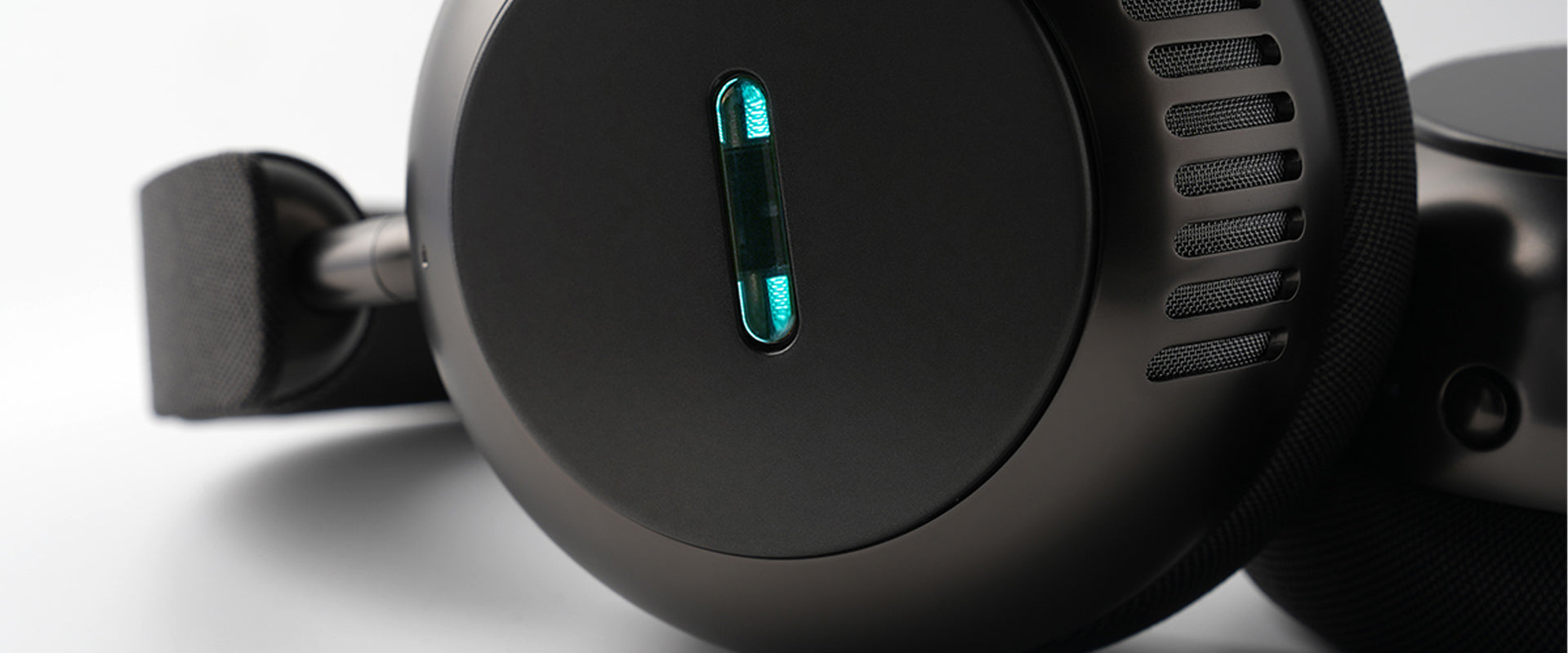
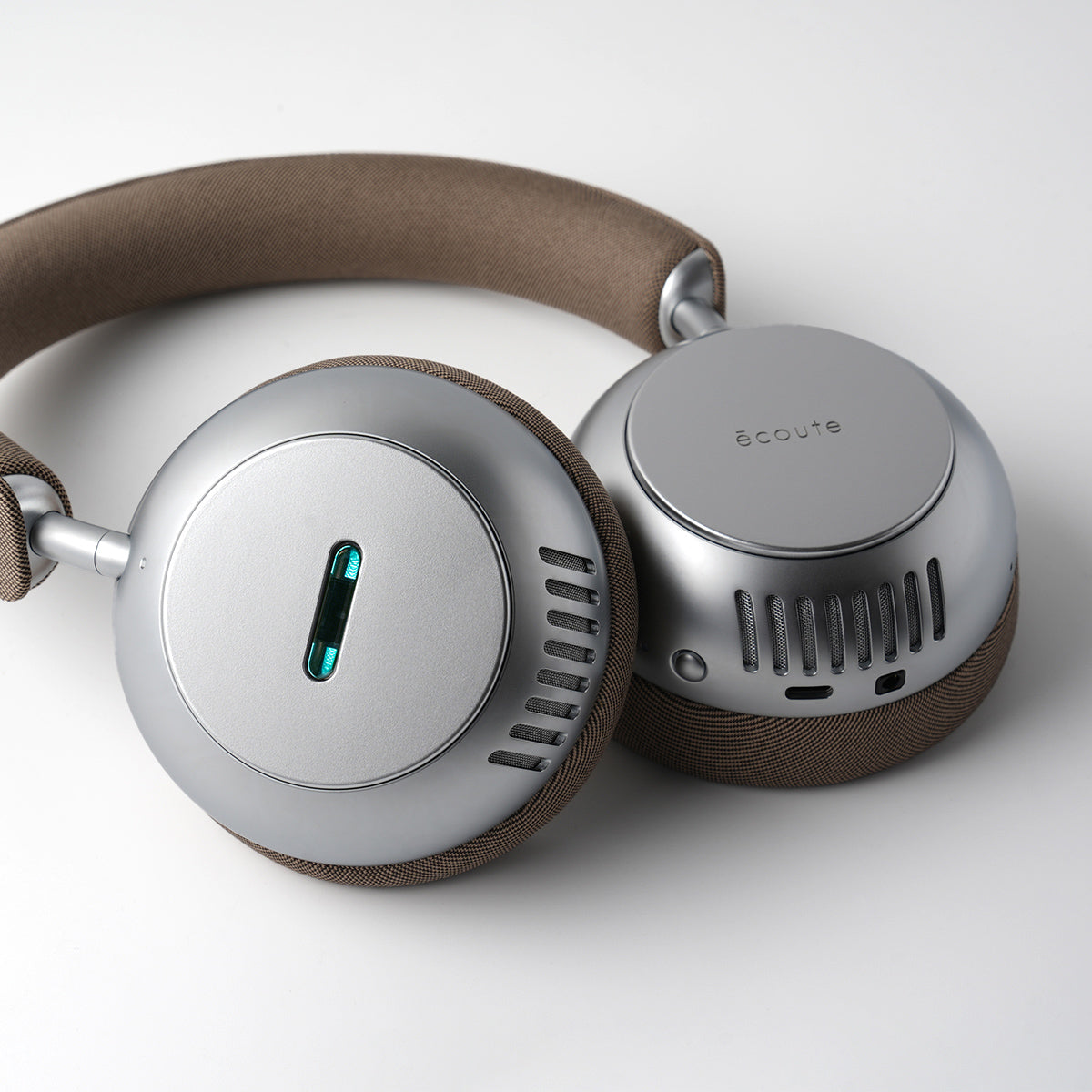
When we announced to the world that we had successfully integrated vacuum tubes inside headphones, skepticism was inevitable. “A tube in a headphone?” Surely it had to be a gimmick. But it isn’t. The vacuum tube is the defining core of the TH1’s sound—just as it is in many high-end hi-fi systems—and there’s a good reason vacuum tubes earn their place in both.
Why Tubes Matter in Hi-Fi
Vacuum tubes amplify sound differently than transistors. Their transfer curves are smoother and more gradual, producing even-order harmonics—the same harmonic relationships found in real instruments and the human voice. Those harmonics aren’t “distortion” in the unpleasant sense; they’re consonant. They reinforce the fundamental tones instead of clashing with them, which our ears interpret as warmth, depth, and realism.
But that’s only the beginning.
Tubes handle dynamic transients—the micro-swells and decays that define musical expression—with a natural elasticity that solid-state circuits often struggle to reproduce. Transistors switch on and off with sharp edges, which can make complex passages sound clinical or mechanical. Tubes, by contrast, transition gradually, allowing notes to bloom and fade in a way that more closely mirrors the behavior of acoustic instruments.
This is why tube-based systems often feel more three-dimensional. The harmonic structure they generate creates a richer sense of body around voices and instruments, lending recordings a physicality that listeners describe as more lifelike and less like playback.
Tubes also excel at preserving low-level detail—the quiet textures beneath the main performance. Instead of masking them with high-order distortion, tubes gently elevate nuance, revealing room tone, trailing echoes, and micro-dynamics that contribute to realism.
This isn’t coloration; it’s coherence. The ear prefers sound that behaves like sound.
That’s why musicians and mastering engineers still trust tube preamps when accuracy matters most—not for nostalgia, but for the way they translate emotional truth. Tubes don’t change the music; they make it feel more like music.
Why You Don’t Find Tubes in Other Headphones?
Traditional vacuum tubes run hot, are fragile, and demand significant power. They’re practical only in stationary gear, not something that sits on your head. For decades, that made the idea of a tube headphone essentially impossible—unless you were willing to strap a small campfire and a nine-pound battery to your skull.
The turning point came with the Korg Nutube 6P1, a modern triode that delivers true vacuum-tube behavior at a fraction of the size, heat, and voltage. Suddenly, real analog tube stages could be built into portable, battery-powered audio gear. Not emulated tubes, not DSP filters—but actual, physical triodes in the signal path.
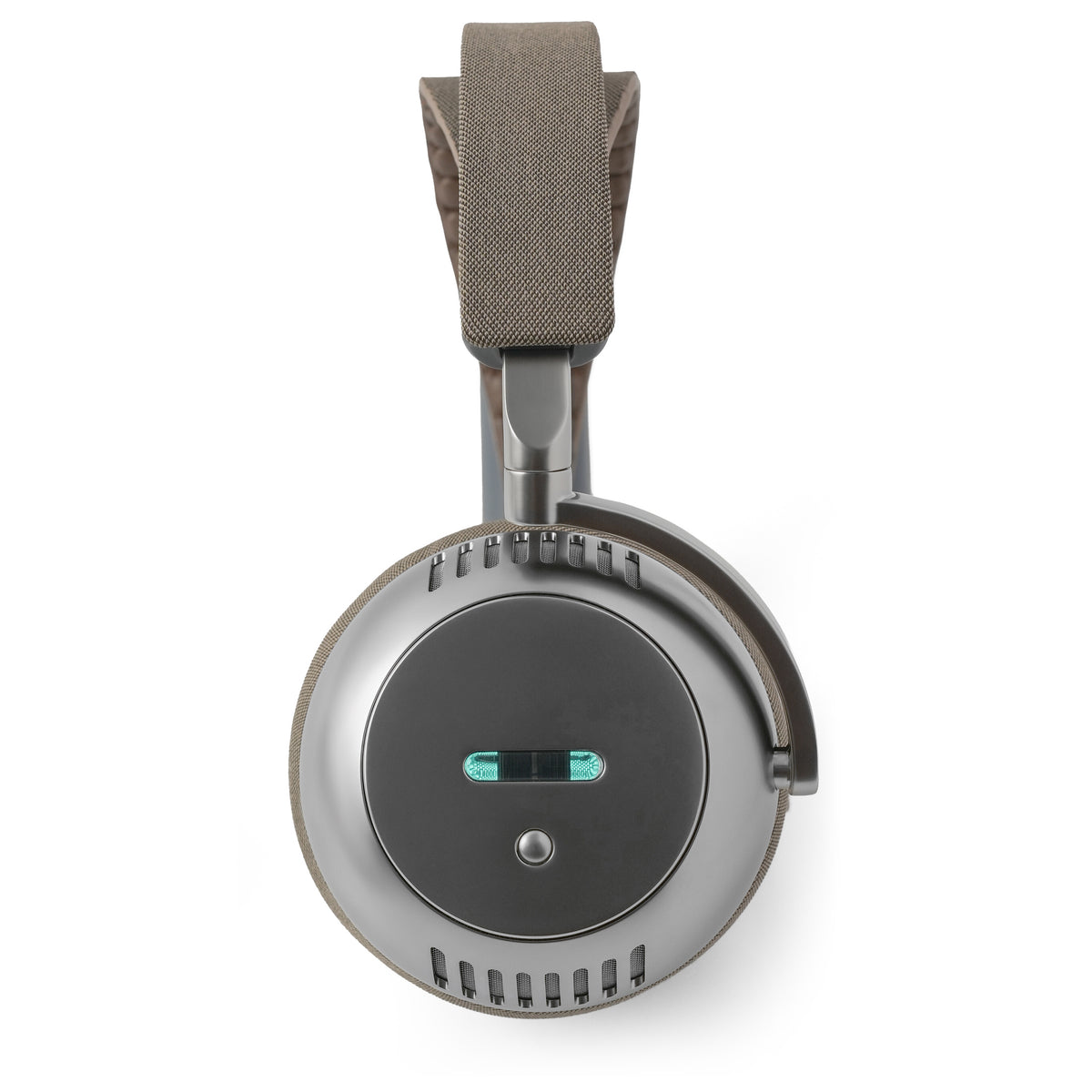
And among all headphones on the market, écoute is the first—and still the only—one to successfully integrate this new triode technology into its topology: a true, physical triode in the signal path—not emulation, not DSP tricks.
When “Built-In” Becomes “Built Right”
Most headphones—wireless or not—collapse the DAC, DSP, and amplifier into a single chip. It’s efficient, but it sacrifices refinement. écoute took the opposite approach.
Each channel in the headset runs its own discrete path: high-resolution DAC → tube preamp → analog amplifier, in a dual-mono layout. A dedicated triode on the Nutube functions as the preamp for each side, shaping the timbre and harmonic structure before the signal ever reaches amplification. The result is stereo separation and tonal realism that sound more like a home hi-fi system than headphones—because in essence, it is one.
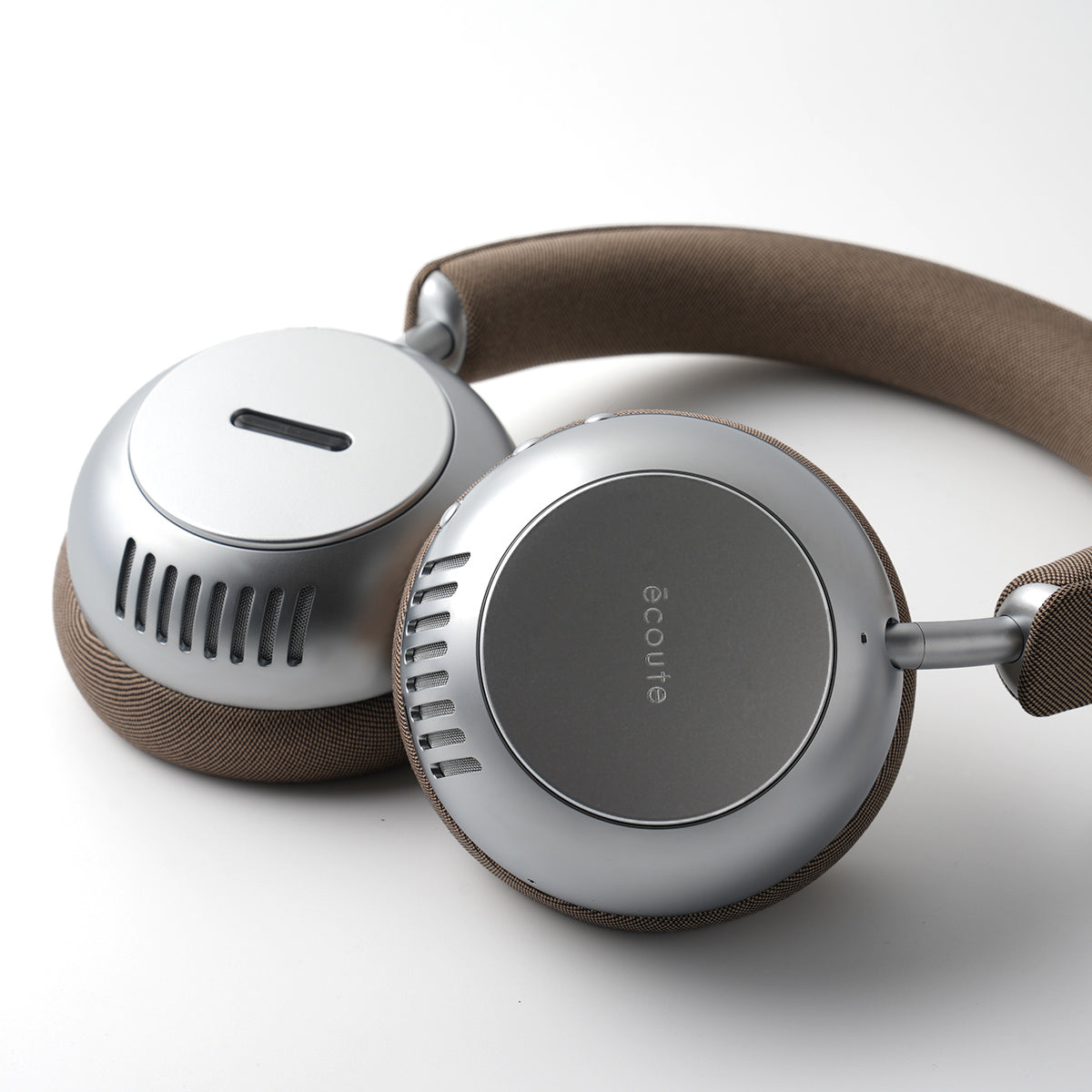
écoute doesn’t imitate the sound of a home system; it uses the same architecture. It’s built like your reference rig, not like other headphones. Dual-mono channels, discrete amplification, tube preamplification—all the ingredients of true high-end stereo, miniaturized inside the headset so you don’t have to plug in a rack of equipment. What once required shelves, cables, and a dedicated room now fits on your head.
This isn’t a gimmick. It’s the same proven signal path that defines high-end audio, faithfully re-engineered for portability. To call it a gimmick would be to call your home hi-fi a gimmick.
The Difference You Hear—Not Just Measure
Specs can’t fully capture what tubes do. Measurable distortion might technically increase, but the kind that increases is exactly what your ear prefers. The effect is subtle: voices feel more present, instruments sound as though projected into the room rather than confined inside your head, and recordings take on the dimensionality of a live space.
It’s not about being louder—it’s about being truer. It delivers the same sonic realism and emotional weight that make high-end systems worth owning, now available wherever you listen.
Gimmick or Game-Changer?
If a product uses a glowing tube just for show, that’s a gimmick. If it uses one to rebuild the entire architecture around true analog fidelity—that’s a game-changer.
For listeners who care how music feels as much as how it measures, the vacuum tube isn’t a throwback or a novelty. It’s a trusted architecture, proven over decades, finally made portable through cutting-edge miniaturization. écoute doesn’t simulate high-end sound—it is high-end sound, built into a headset.

Leave a comment
This site is protected by hCaptcha and the hCaptcha Privacy Policy and Terms of Service apply.