

DSP vs EQ: Why Firmware-Level Tuning Matters
Most people think of EQ (equalization) as the primary way to shape sound — boosting or cutting frequencies to suit taste. But in écoute headphones, true precision happens inside the DSP firmware rather than as an overlay.
The écoute audio tuning app may look like a graphic EQ, but it’s not applying an overlay. Instead, it modifies parameters within the headphone’s DSP at the digital source level, before conversion to analog. The result is cleaner, more accurate control that preserves the signal’s integrity.
What DSP Actually Does
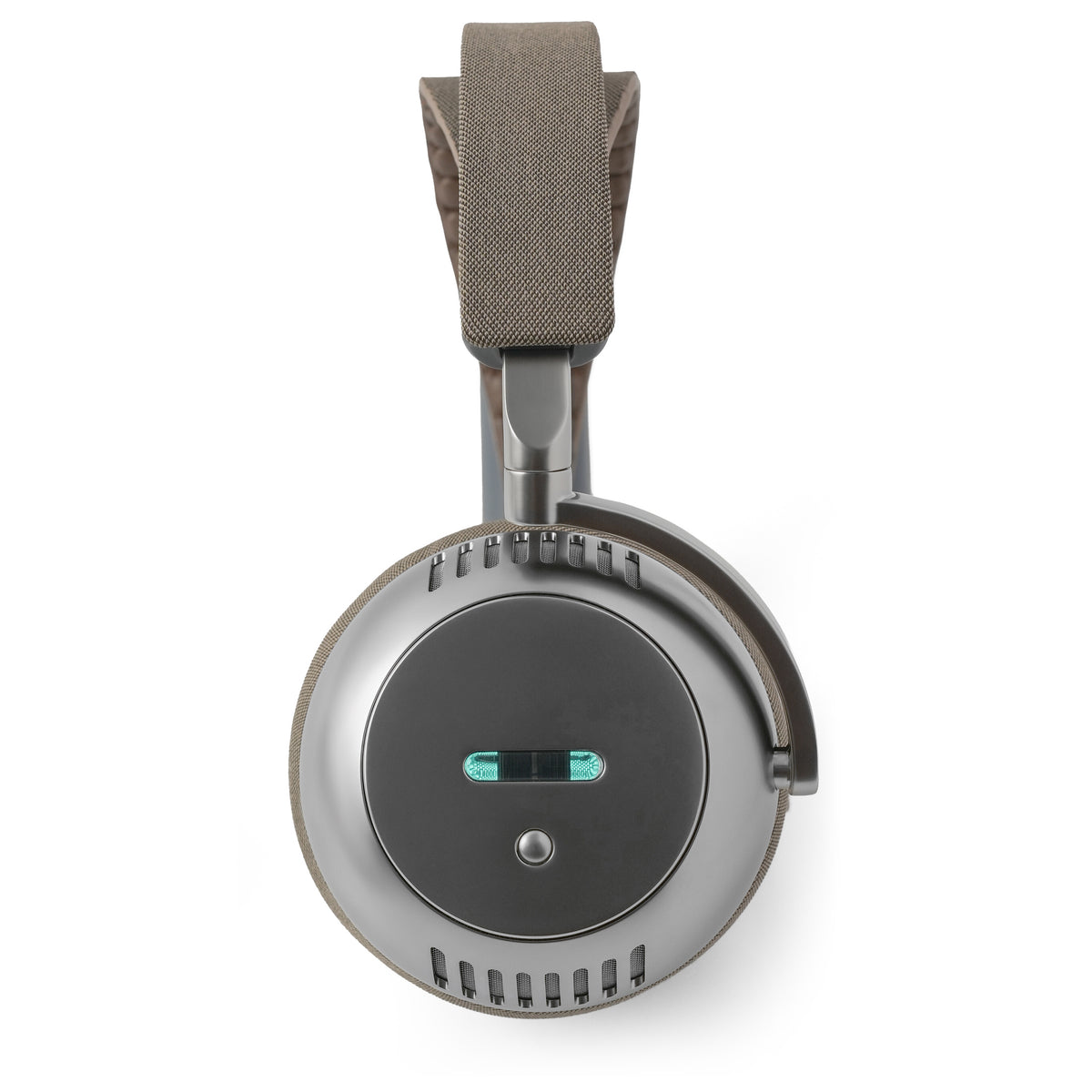
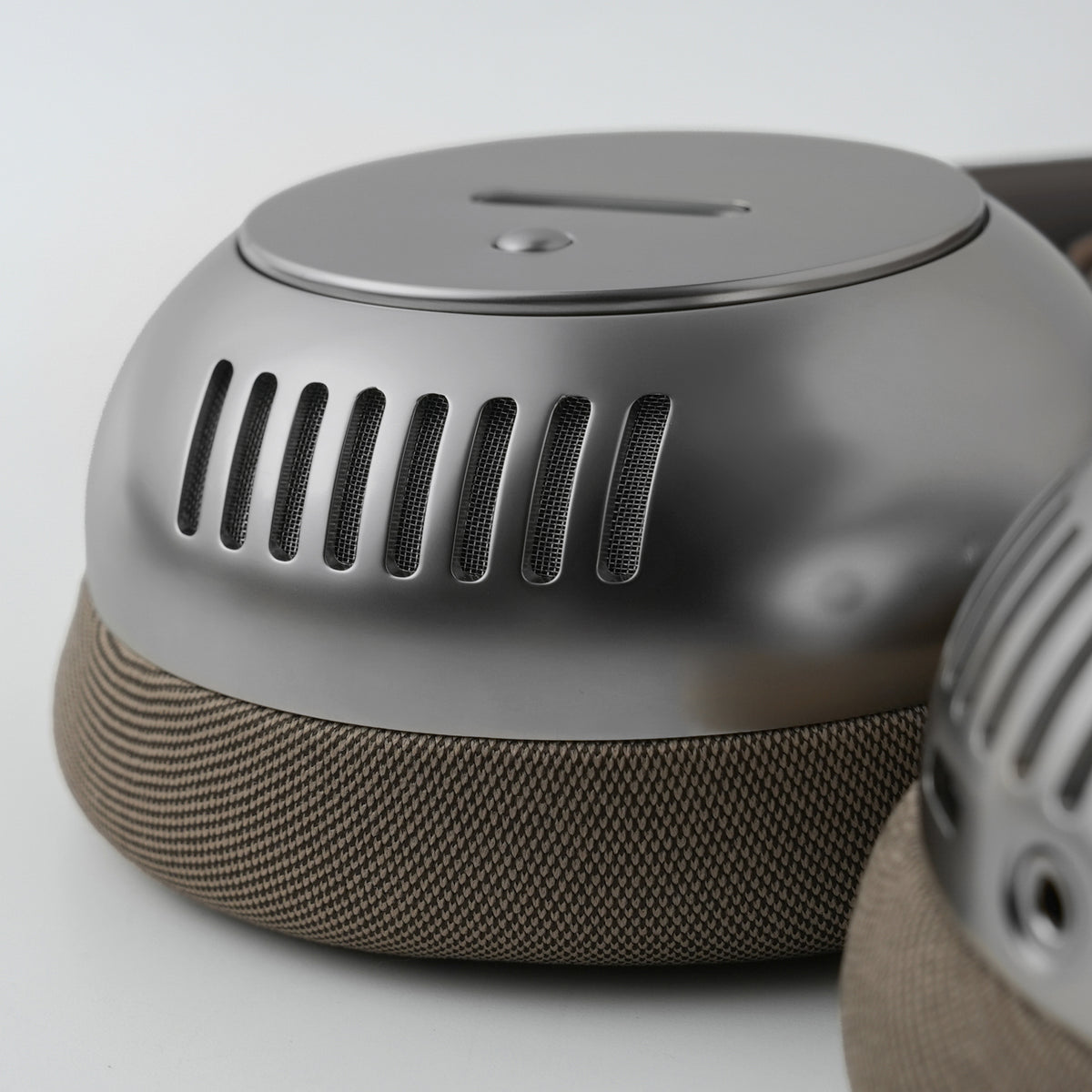
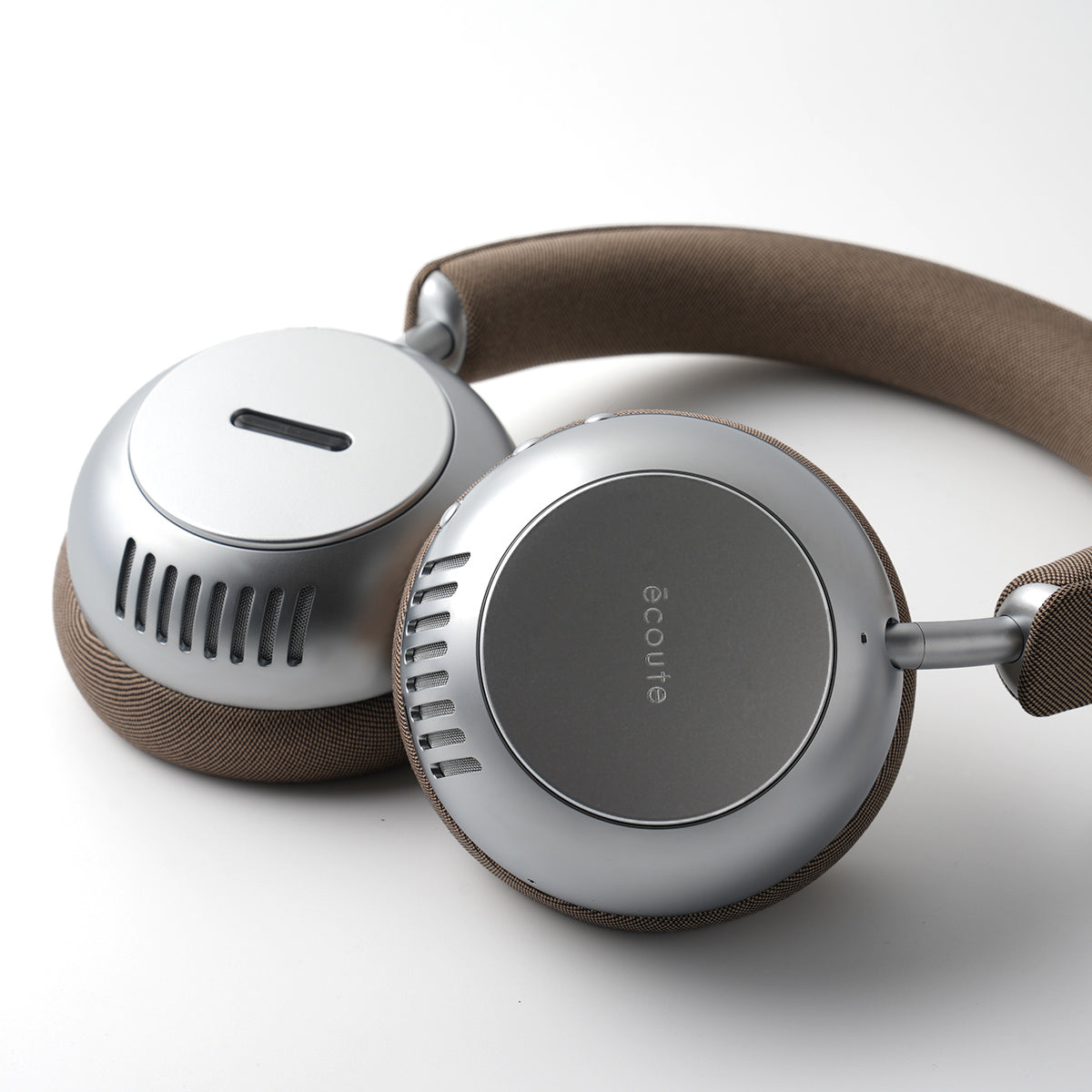
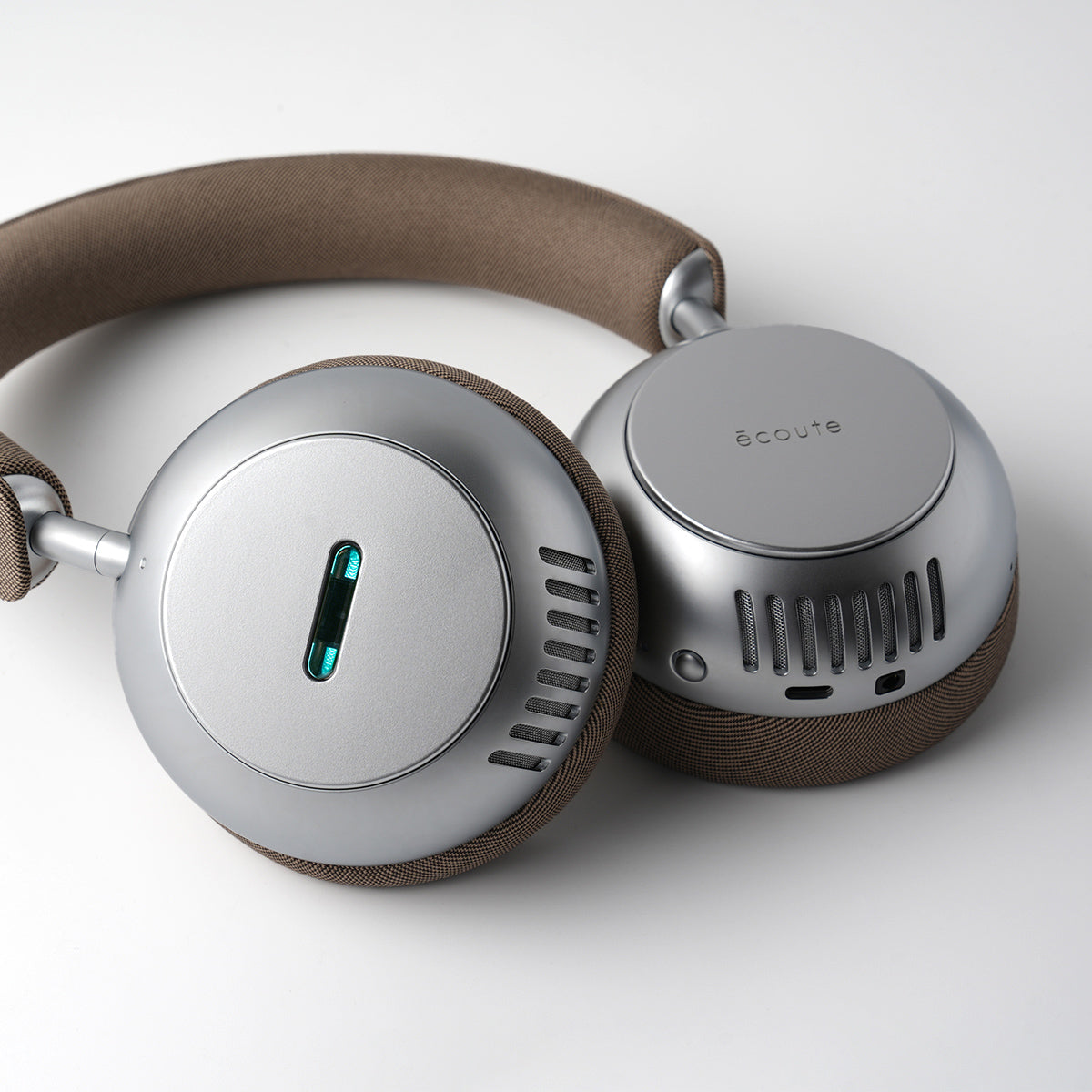
DSP — Digital Signal Processing — handles the signal mathematically in real time before it reaches the DAC. In the TH1, a dedicated processor manages filtering, correction, and timing with far greater precision than analog circuits or external EQ software.
At this stage, algorithms manage phase, crossover, and driver balance — essentially shaping how the transducers behave rather than simply adjusting tone. These firmware-level adjustments let listeners fine‑tune the system without introducing distortion or phase errors.
External EQ: An Overlay, Not Integration
App‑based EQ, like that in streaming apps or operating systems, applies a digital filter before the signal leaves your device. The headphone then receives a pre‑EQ’d signal that passes through its own DAC and amp stages, none of which are calibrated for that modified curve. Because the filter is unaware of the headphone’s acoustics or internal gain structure, results are inconsistent.
By contrast, the TH1’s app communicates directly with its DSP, adjusting the digital coefficients that define how it processes the signal. It looks like EQ but is actually firmware tuning — integrated into the signal path rather than layered on top.
Firmware-Level DSP: The Headphone’s Native Tuning
Firmware‑based DSP can correct driver behavior, phase alignment, and distortion in the digital domain before conversion. With complete knowledge of the headphone’s architecture, it optimizes the waveform the DAC outputs — ensuring accuracy without added latency or loss.
The TH1 uses its app purely as a control surface for this internal processing. Every change is computed in the headphone’s own domain, maintaining resolution and realism that software EQ cannot match.
Why It Matters
Firmware‑level DSP lets listeners tune every parameter to reference standards. It’s the difference between editing the master recording and coloring over the final mix. Keeping control inside the signal path, the TH1 maintains consistency, precision, and high‑resolution fidelity from source to output.
In Short: EQ apps color the playback; firmware‑level DSP shapes truth — preserving high‑resolution integrity end‑to‑end.
%20as%20the%20primary%20way%20to%20shape%20sound%20%E2%80%94%20boosting%20or%20cutting%20frequencies%20to%20suit%20taste.%20But%20in%20%C3%A9coute%20headphones,%20true%20precision%20happens%20inside%20the%20DSP%20firmware%20ra...)
Leave a comment
This site is protected by hCaptcha and the hCaptcha Privacy Policy and Terms of Service apply.