

How Preamps Shape Sound
When people talk about a system’s “character,” they’re often talking about its preamplifier—whether they realize it or not. The preamp sits at the very start of the analog signal path, where it takes the low-level signal from a DAC, turntable, or instrument and raises it to a level that the power amplifier can actually use. But it doesn’t just add gain—it defines the tone, texture, and harmonic structure of everything that follows.
The Preamp’s Job: More Than Volume
A good preamp is like a translator between the source and the amplifier. It determines how faithfully the original signal is preserved, how harmonics are shaped, and how dynamics are handled before any real power amplification occurs. This stage is where timbre and tonal balance are subtly sculpted—where the difference between sterile and musical begins.
In most modern headphones, the preamp stage doesn’t really exist. The DAC, DSP, and amplifier are all folded together inside a single integrated chip. It’s efficient, but it sacrifices the nuance that comes from a true, discrete preamp stage. That’s why even reference-grade and audiophile headphones rarely sound as organic or engaging as a proper hi-fi system—they’re missing the heart of one.
Why Vacuum Tubes Still Matter
Vacuum tubes handle amplification differently than solid-state transistors. Where transistors operate with fast, tight linearity, tubes follow a gentler transfer curve that produces even-order harmonics—the same harmonic structure that naturally occurs in acoustic instruments and the human voice.
Even-order harmonics are musically consonant: they reinforce the fundamental tones rather than compete with them, adding a natural sense of warmth and realism. The result isn’t distortion in the negative sense—it’s harmonic enrichment that helps the brain interpret the sound as more lifelike.
Solid-state preamps can measure “cleaner” on paper, but they often sound more clinical. Tube preamps, by contrast, add body, space, and dimension. They make a recording feel less like playback and more like performance.
The Ideal Use for Tubes in Headphones
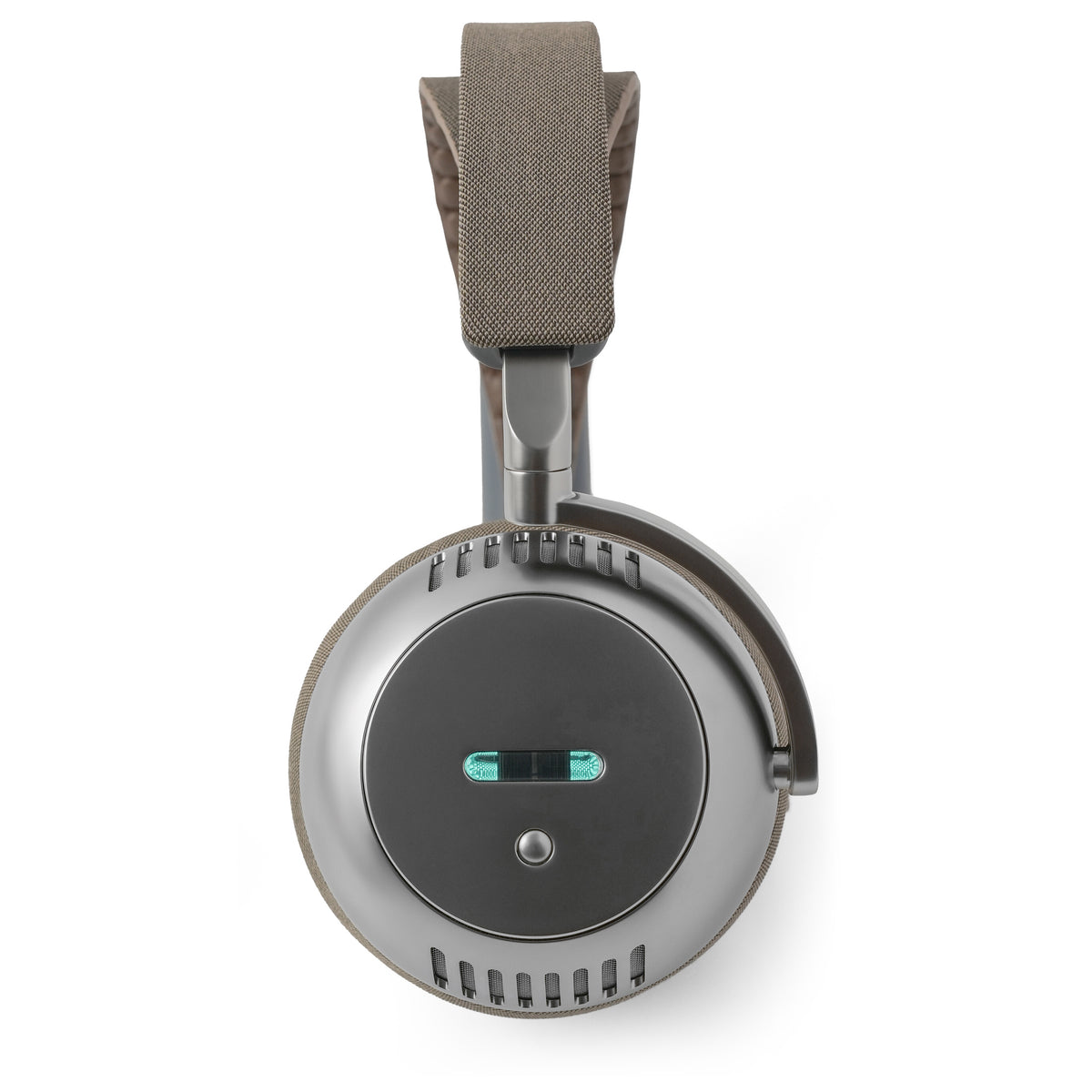
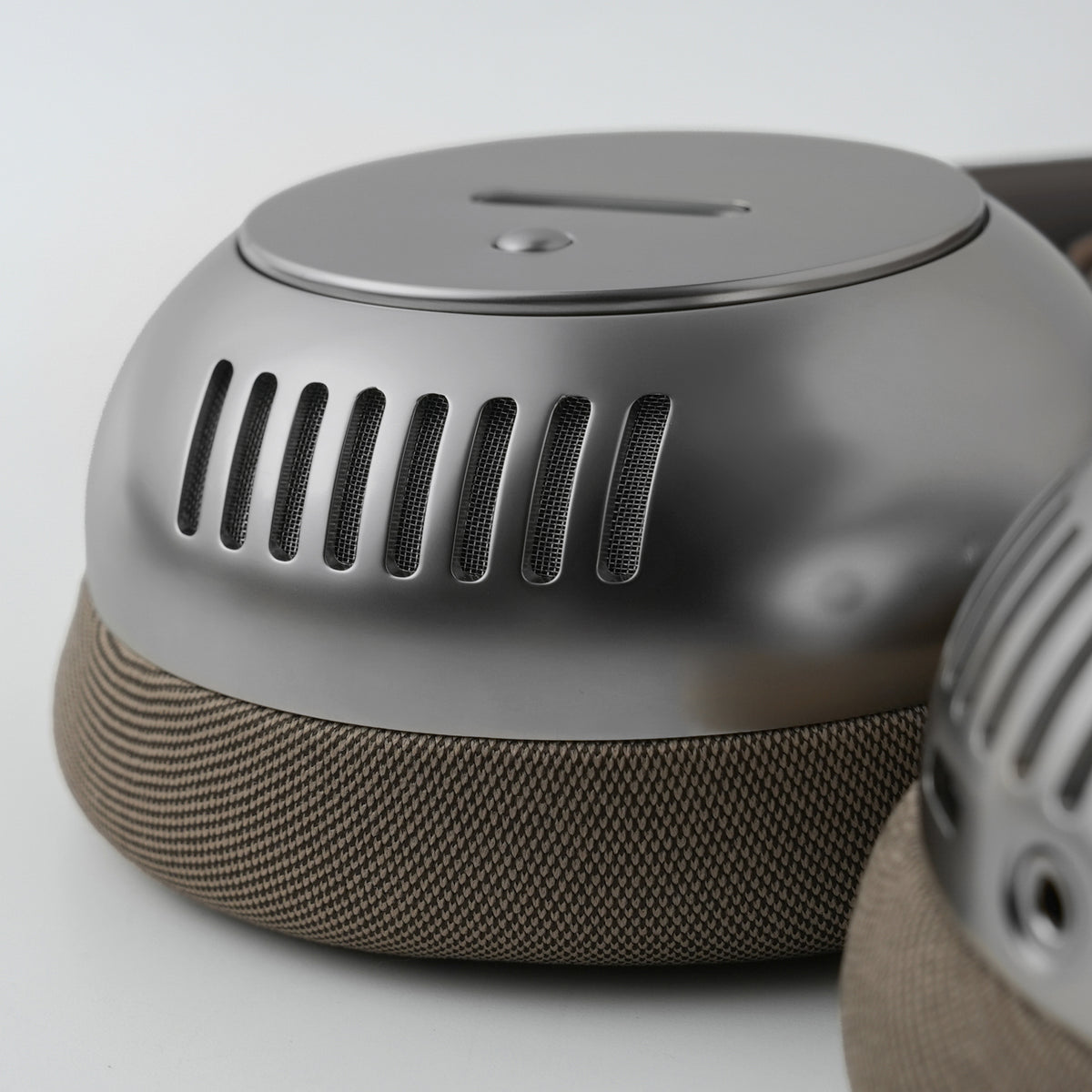
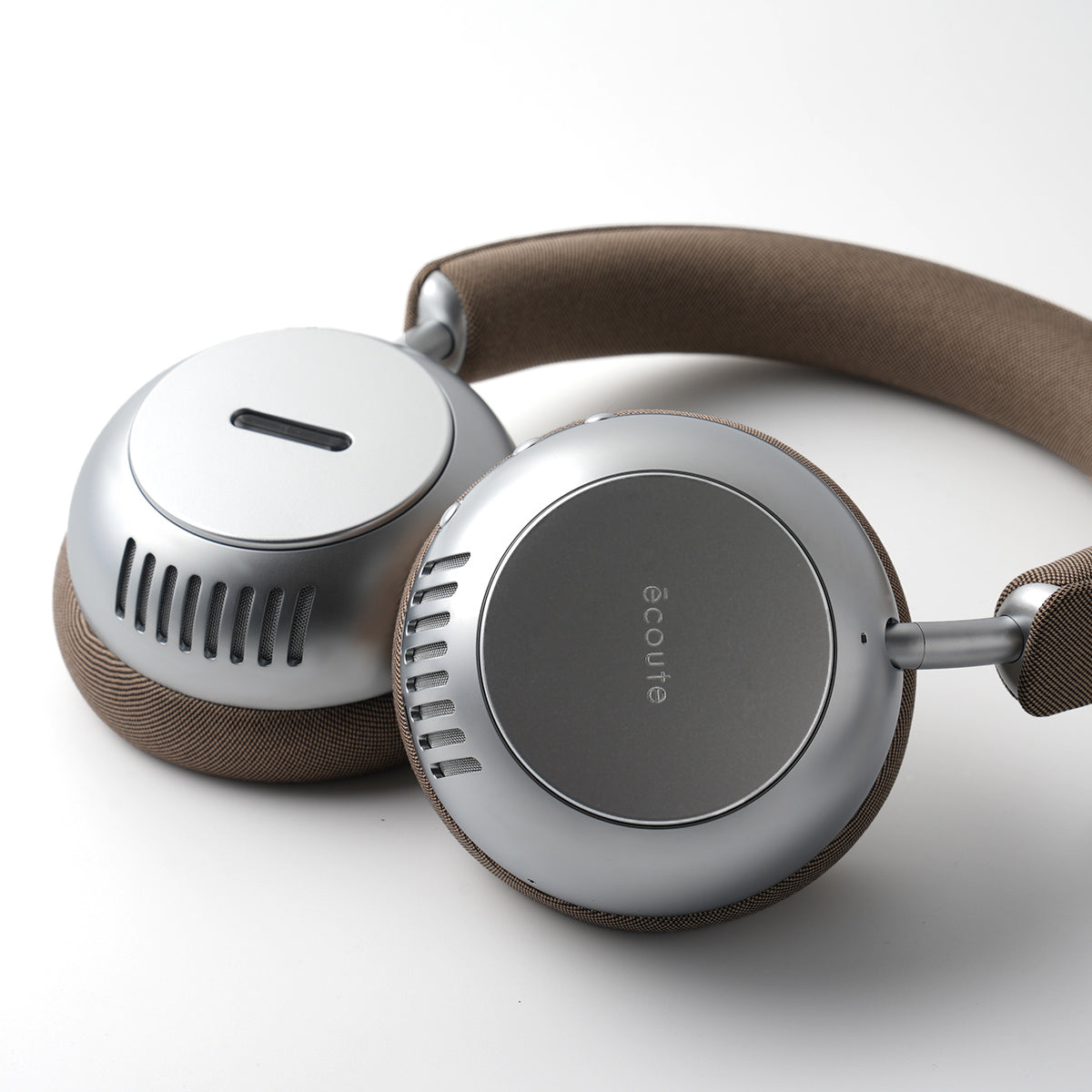
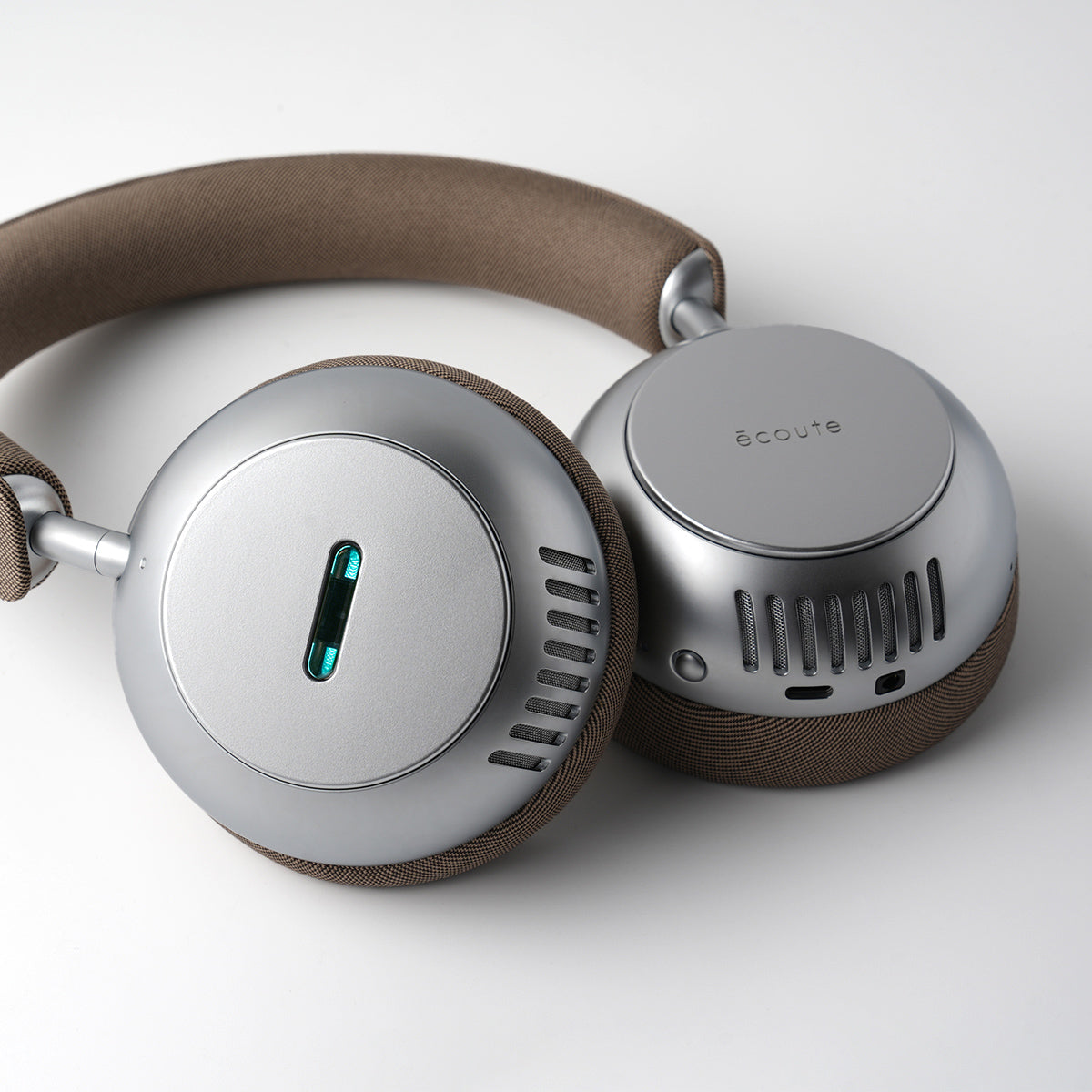
In a full-size hi-fi system, the tube preamp usually sits between the DAC and the power amp—right where it can shape tone without having to drive large amounts of current. That’s precisely how it’s used inside écoute headphones. Each channel has its own dedicated Nutube vacuum-tube preamp, feeding a discrete analog amplifier in a true dual-mono architecture.
This isn’t about nostalgia—it’s about correct application. Tubes excel at voltage gain and harmonic shaping; solid-state excels at current delivery. By letting each do what it does best, écoute achieves a hybrid topology that captures the warmth and dimensionality of tube sound without the noise or fragility of traditional all-tube designs.
The result is a reference-grade headphone that carries the tonal integrity of a full hi-fi system—without the racks, stacks, or cables. The preamp stage doesn’t just add gain; it defines character.
The Character You Hear
Every note you play or stream passes through a gain stage somewhere. In écoute, that stage is a living, glowing triode—a micro version of what you’d find in a studio preamp or mastering console. It’s not there for show. It’s there because that’s where music becomes music.

Leave a comment
This site is protected by hCaptcha and the hCaptcha Privacy Policy and Terms of Service apply.