

The Evolution of Tube Audio: Rethinking Headphone Design
Vacuum tubes have shaped the sound of recorded music for over a century. Born at the dawn of the electronic age, they became the building blocks of radio, broadcasting, and ultimately, the first hi-fi systems. Their journey—from early amplifiers to modern portable designs like écoute—is a story of invention, decline, and rediscovery.
The Birth of the Vacuum Tube
The first vacuum tube, the Audion triode, was invented by Lee de Forest in 1906. Originally used to amplify radio signals, it revolutionized communication by allowing weak electrical currents to be boosted cleanly. By the 1920s and ’30s, tubes powered radios, phonographs, and early recording equipment—making amplified sound part of everyday life.
As the hi-fi hobby took shape in the postwar years, tubes became central to home audio. They offered not just volume, but musicality—a natural smoothness that matched the acoustic warmth of live instruments. The glow of a 12AX7 or EL34 tube became synonymous with serious listening.
The Rise of Transistors and the Fall of Tubes
The invention of the transistor in 1947 marked a turning point. Transistors were smaller, cooler, cheaper, and far more durable. By the late 1960s, nearly every mass‑market amplifier and radio had gone solid‑state. Tube gear was relegated to niche audiophile circles—seen as charming but obsolete, its days seemingly over.
But something was lost in the transition. Transistor circuits were clean and efficient, but to many ears, they lacked life. The harmonic structure of tubes—the subtle even‑order distortions that mimic the overtones of natural sound—gave music a realism that numbers alone couldn’t explain.
The Tube Revival
By the 1980s and ’90s, high‑end audio rediscovered what tubes could do. Companies like Audio Research, McIntosh, and Conrad‑Johnson reignited interest with modern, refined tube amplifiers that combined analog warmth with engineering precision. In an age of digital convenience, tubes became a symbol of authenticity—a reminder that sound could still feel alive.
Yet the physics hadn’t changed. Tubes were fragile, hot, and power‑hungry. They needed racks, ventilation, and regular replacement. They belonged in listening rooms, not backpacks.
The Nutube Revolution
Then came Korg’s Nutube, a radical re‑imagining of the triode tube using modern vacuum‑fluorescent technology. Co‑developed with Noritake Itron, Nutube delivers true analog tube operation—complete with harmonic richness and dynamic response—while running at low voltage, low heat, and with lifespans exceeding 30,000 hours.
For the first time, real tube circuitry could exist in portable audio. No emulation. No DSP modeling. Just miniature analog triodes doing what tubes have always done best: shaping sound with musical realism.
écoute: The Portable Hi‑Fi System
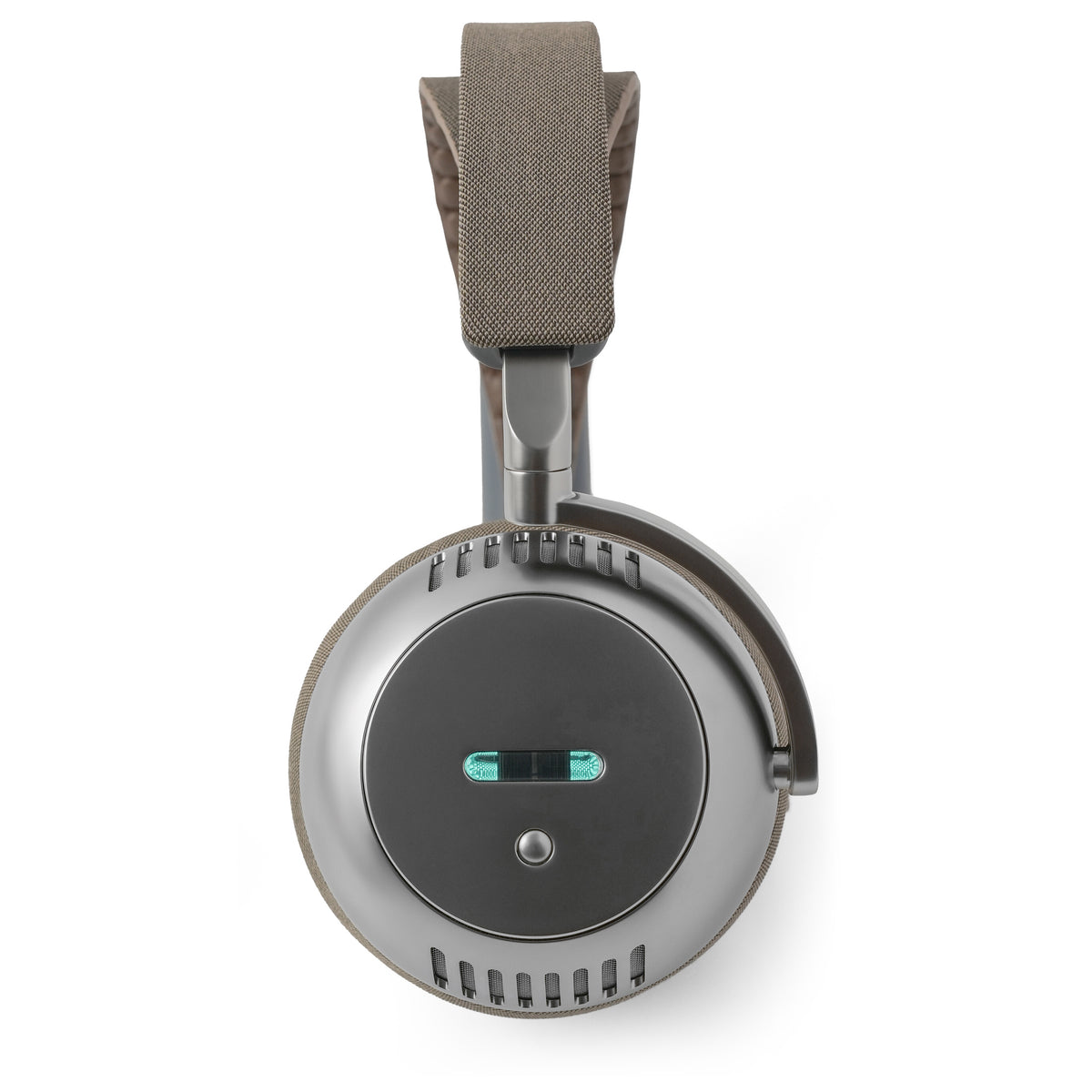
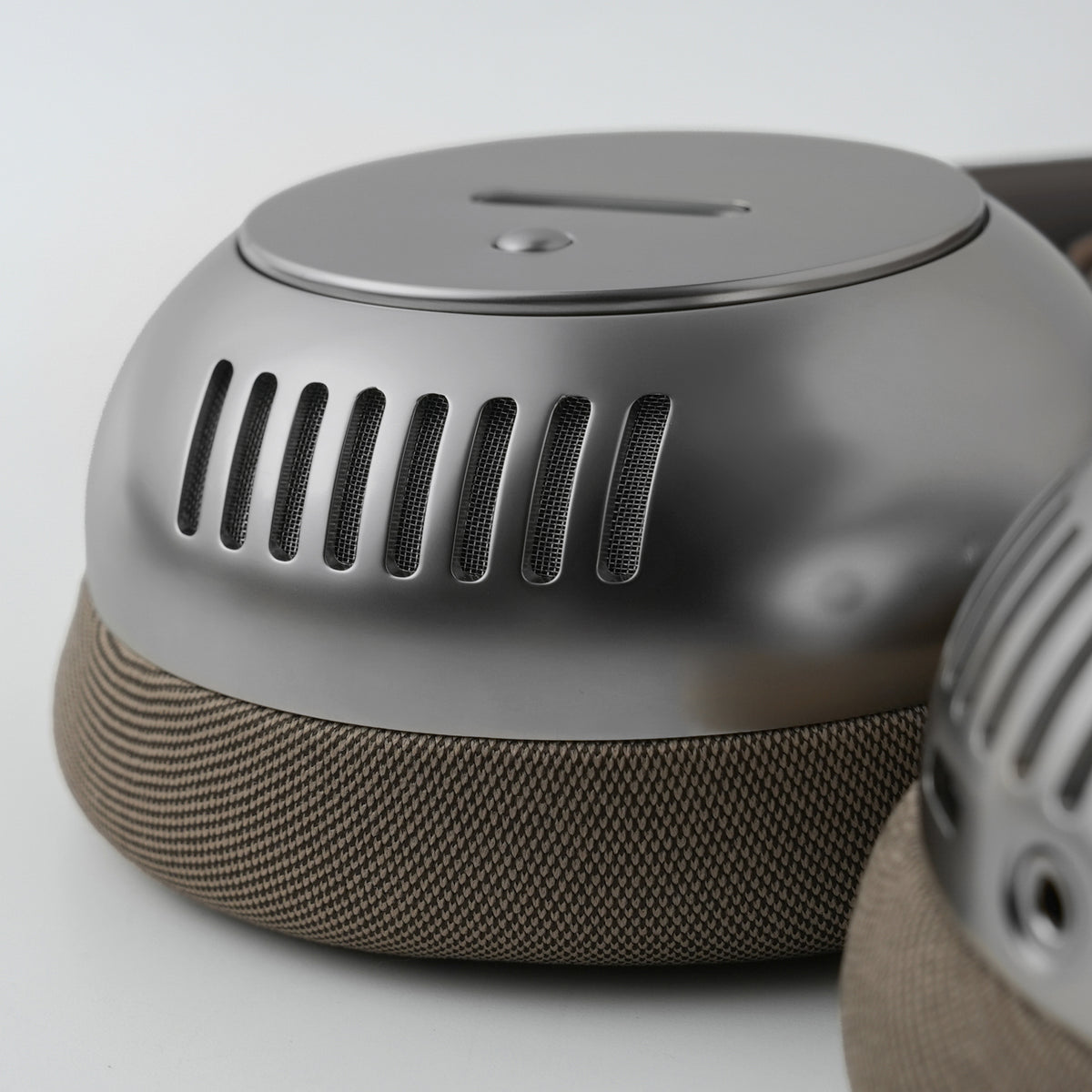
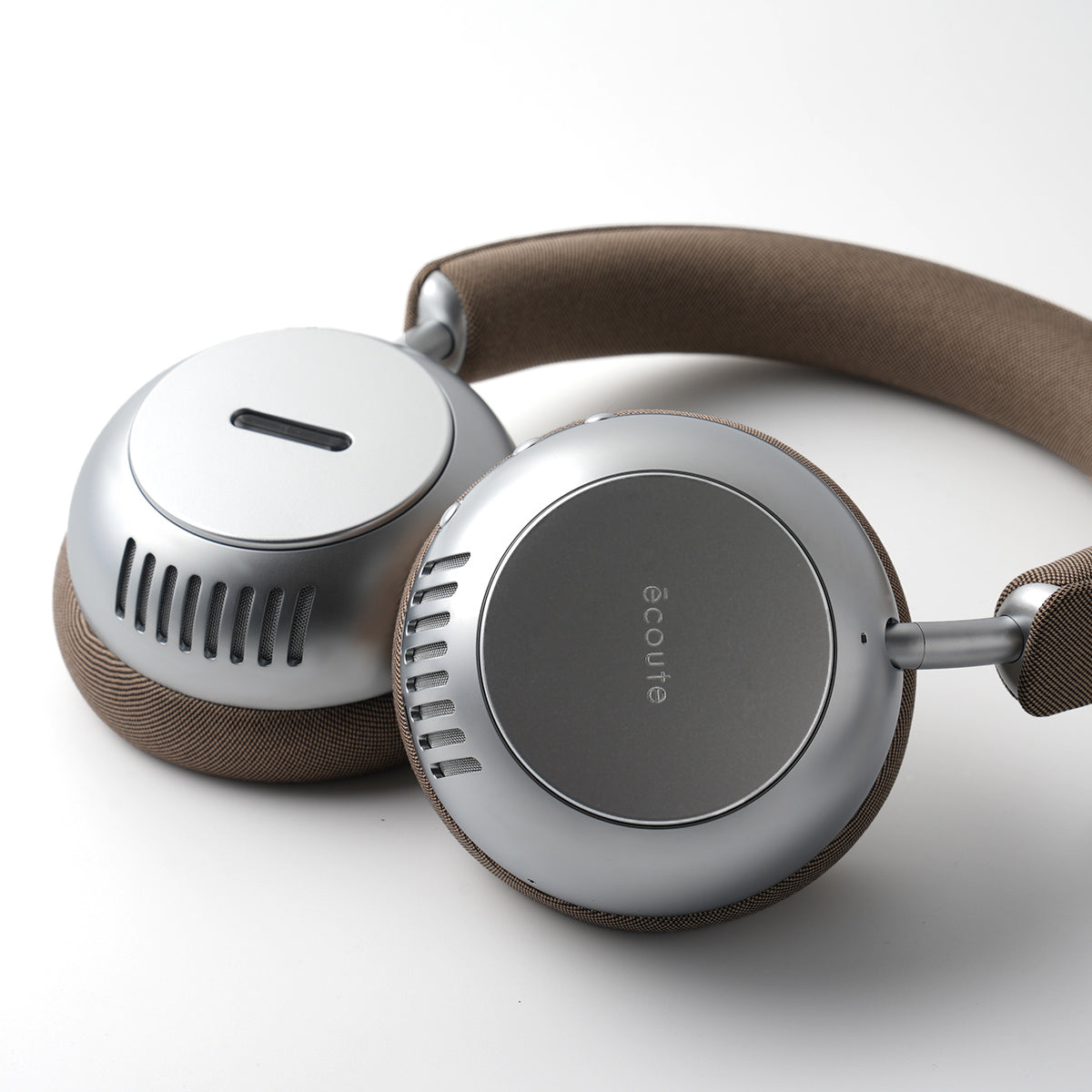
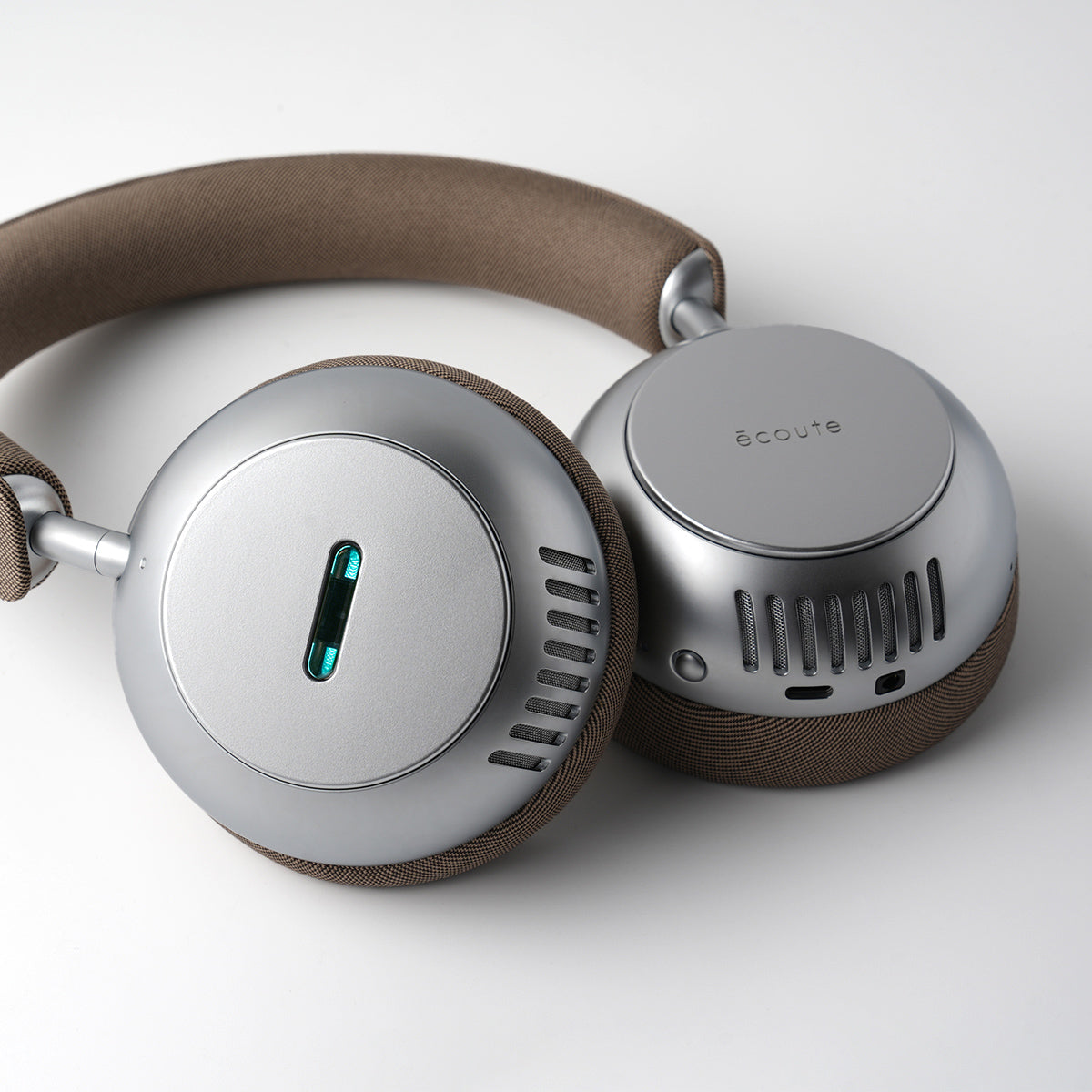
écoute takes this new technology and brings it to its logical conclusion. Each headset contains a dual‑mono signal path, complete with discrete DACs, independent Nutube preamps, and separate analog amplifiers per channel—mirroring the architecture of a full home hi‑fi system.
What once required racks, shelves, and cables now fits on your head. The result isn’t a headphone that mimics a system—it is a system, built on the same signal chain: DAC → Tube Preamp → Amplifier → Drivers.
Where most headphones merge these stages into a single chip, écoute preserves them as separate, high‑fidelity components. The experience is unmistakably analog: the timbre, staging, and warmth of a real stereo rig—without leaving your chair, or needing one.
A Century in Motion
From the Audion of 1906 to the Nutube of today, the story of tube audio has come full circle. What began as bulky glass bottles glowing on shelves now lives within the most advanced portable systems ever built.
Tubes didn’t disappear—they evolved. And with designs like écoute, the high‑fidelity experience they defined is no longer tied to furniture.
The listening room just got a lot bigger.

Leave a comment
This site is protected by hCaptcha and the hCaptcha Privacy Policy and Terms of Service apply.