

What LDAC Really Brings to Wireless Audiophile Listening
What high‑resolution Bluetooth actually delivers—and what it doesn’t
Wireless convenience used to mean sonic compromise. For years, Bluetooth audio was defined by limitations—compressed sound, restricted bandwidth, and a sense that something essential was missing between source and ears. LDAC changes that equation. Developed by Sony and now widely supported on Android and many high-end headphones, LDAC brings true high-resolution capability to Bluetooth, narrowing the gap between wired fidelity and wireless freedom.
Short take: LDAC is the first Bluetooth codec that meaningfully narrows the gap between wireless convenience and high‑fidelity listening.
This article breaks down what LDAC really does—and why it matters if you care about sound.
What Is LDAC?
LDAC (pronounced “el-dac”) is a high-resolution Bluetooth audio codec designed to transmit more data between your device and headphones without resorting to excessive compression. In plain terms: it’s a smarter, more efficient way of sending high-quality audio wirelessly.
While most Bluetooth codecs were originally built for voice calls or casual listening, LDAC was engineered from the start for music fidelity—to preserve detail, dynamics, and spatial realism.
How LDAC Works
Traditional Bluetooth codecs like SBC (the default standard) and AAC (used by Apple) reduce file size by aggressively compressing the signal, discarding subtle information the algorithm deems “inaudible.” LDAC instead uses variable bitrate encoding—it adjusts the data rate depending on connection quality, rather than chopping off entire swaths of the signal.
LDAC supports three selectable bitrates:
- 330 kbps: prioritizes connection stability
- 660 kbps: balanced mode (used most often by default)
-
990 kbps: maximum quality mode
At its highest rate, LDAC can handle 24-bit/96 kHz audio—the same resolution used in studio masters and many high-resolution streaming files on Tidal and Qobuz. While that doesn’t make it truly “lossless,” it comes remarkably close, delivering roughly three times the data of standard Bluetooth audio.
How LDAC Compares to Other Codecs
| Codec | Max Bitrate | Max Resolution | Typical Use |
| SBC | ~320 kbps | 16-bit/44.1 kHz | Default/basic Bluetooth |
| AAC | 256 kbps | 16-bit/44.1 kHz | Apple ecosystem |
| aptX | 352 kbps | 16-bit/44.1 kHz | General Android use |
| aptX HD | 576 kbps | 24-bit/48 kHz | Mid-tier hi-fi |
| LDAC | 990 kbps |
24-bit/96 kHz |
Hi-res / audiophile listening |
Where SBC and AAC prioritize efficiency and compatibility, LDAC emphasizes transparency—minimizing what’s lost between source and playback. In controlled testing, LDAC’s frequency response and dynamic range measure significantly closer to wired transmission than competing codecs.
Why It Matters for Audiophile Listening
For those who value tone, timbre, and microdetail, LDAC enables Bluetooth headphones to finally perform at a level that does justice to high-quality recordings. The result isn’t just “better sound”—it’s a restoration of nuance:
- Wider dynamic range allows quiet passages to feel quieter and crescendos to hit with full weight.
- Improved stereo separation reveals room ambience and instrument placement more clearly.
-
Reduced artifacting means textures and transients sound cleaner, especially on acoustic instruments and vocals.
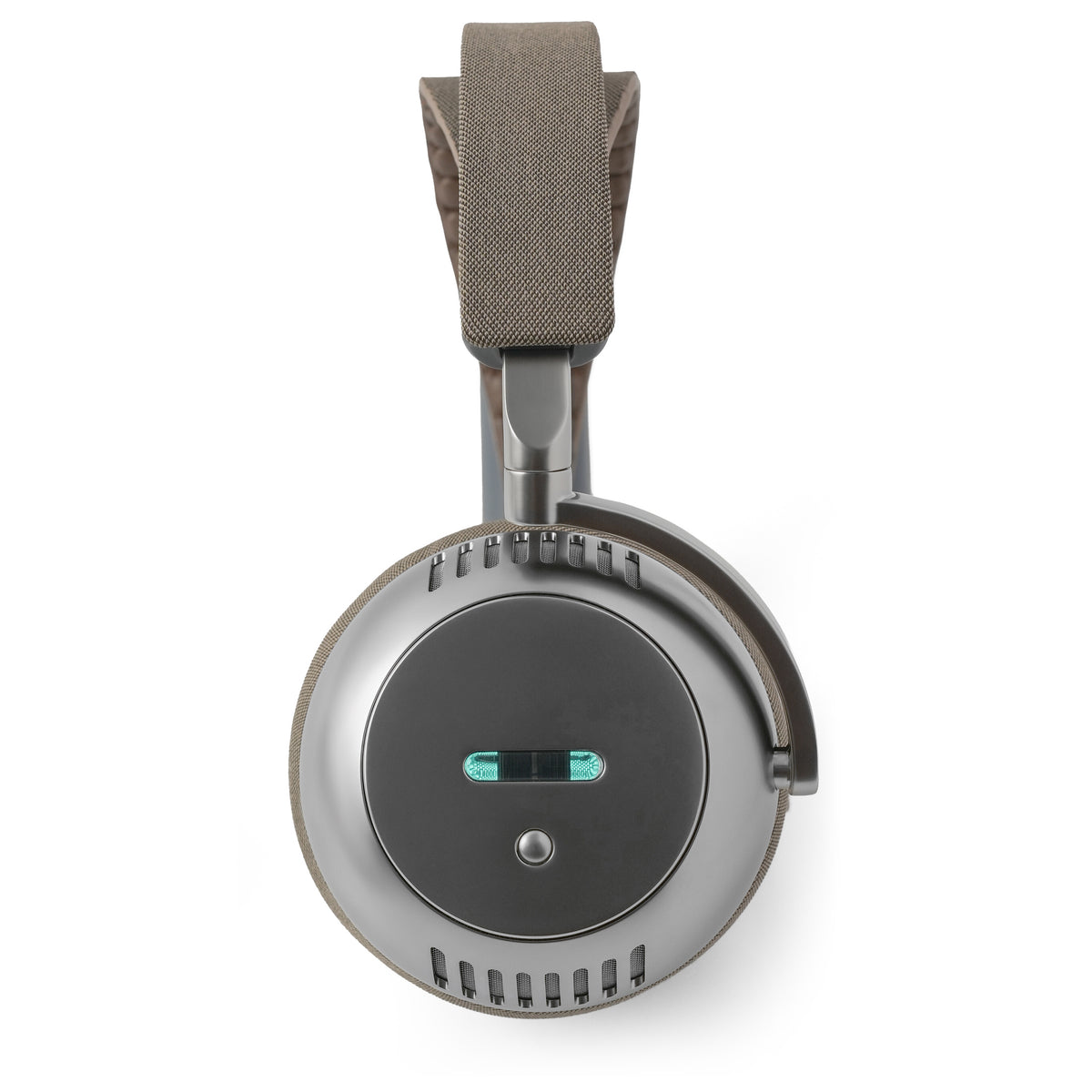
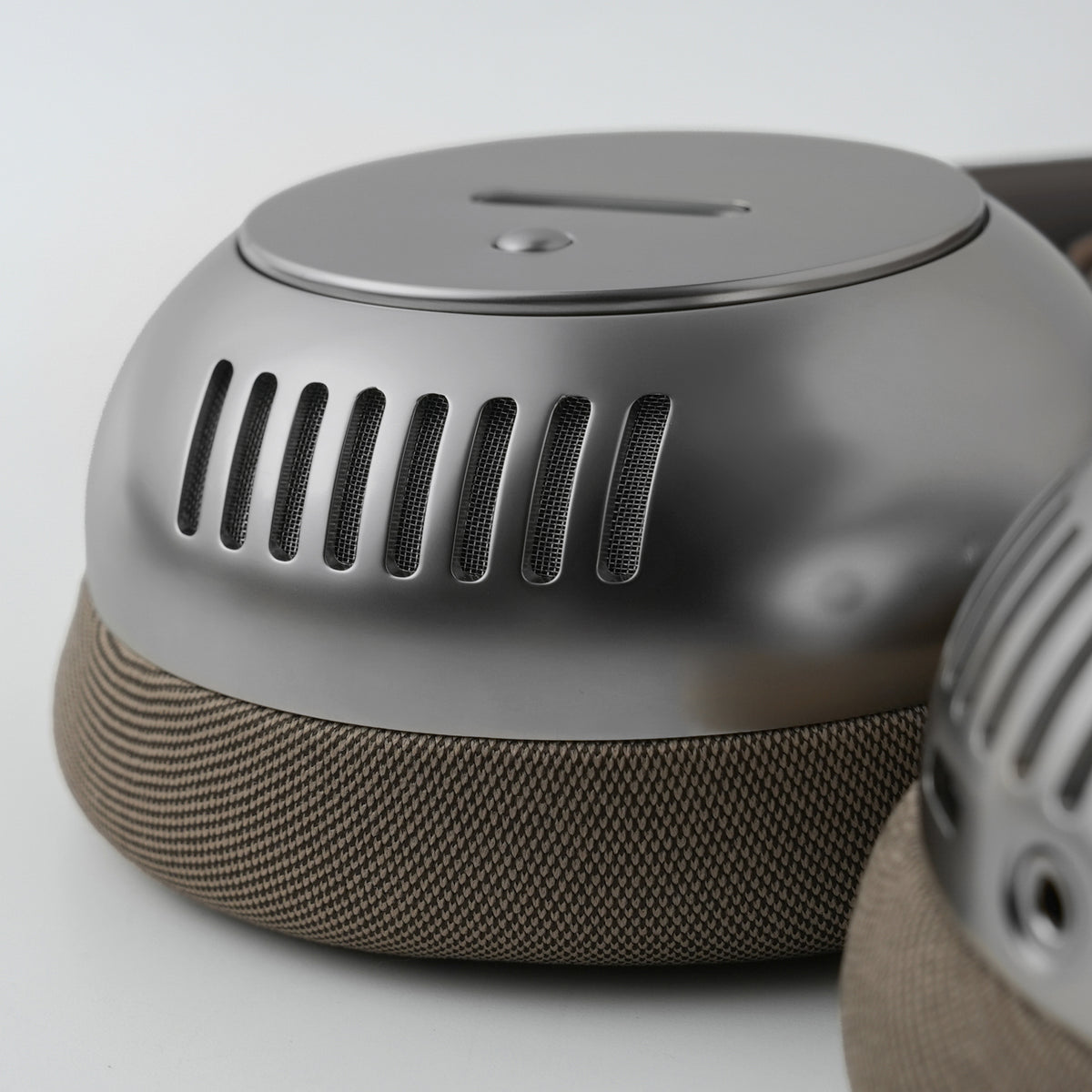
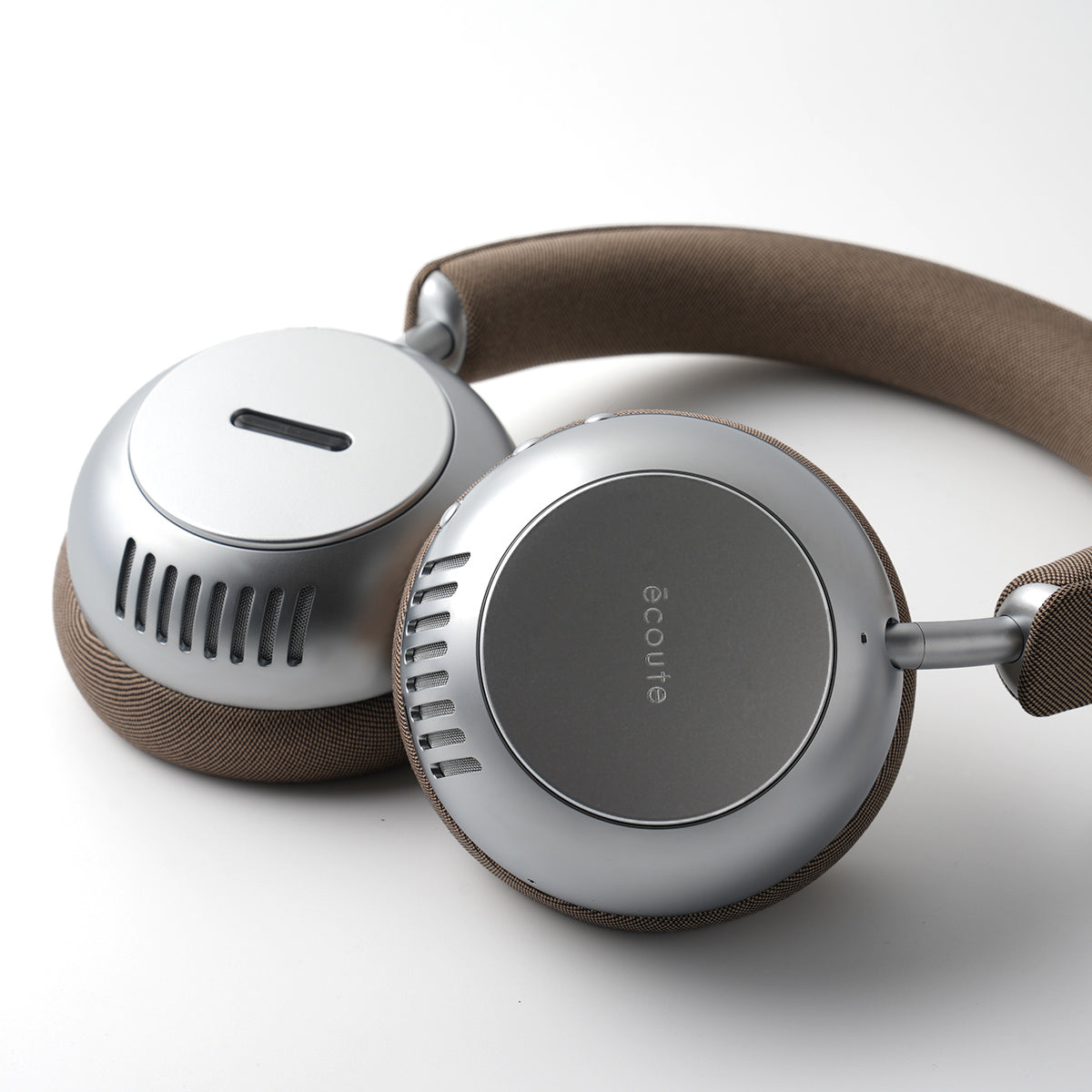
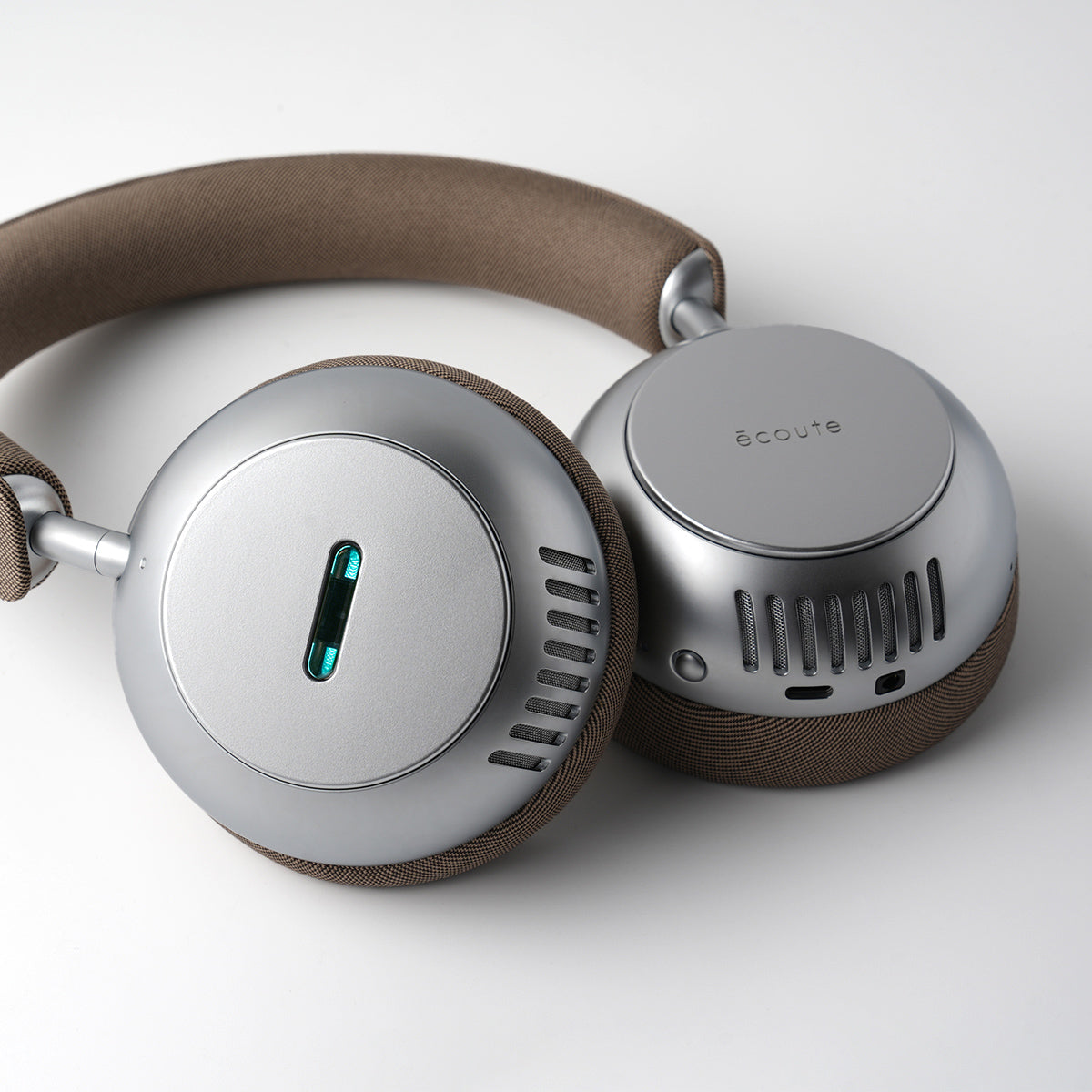
This fidelity also pairs beautifully with écoute headphones, which are built for analog realism using a dual‑mono architecture with dedicated vacuum‑tube preamp stages. LDAC’s high‑resolution feed gives these analog circuits more information to work with—enhancing tone, depth, and spatial clarity in a way most wireless systems simply can’t.
The Practical Side: Compatibility and Limitations
To take advantage of LDAC, both your playback device (phone, tablet, DAP, or computer) and your headphones must support it. Most Android devices running version 8.0 (Oreo) or later include LDAC by default, while iOS does not—Apple still relies exclusively on AAC.
Because LDAC dynamically adjusts bitrate based on signal strength, it performs best with a stable connection and minimal wireless interference. In crowded environments, it may automatically drop from 990 kbps to 660 kbps or 330 kbps to preserve connection stability.
Even then, it remains one of the highest-fidelity wireless codecs available today.
LDAC and the Future of Wireless Hi‑Fi
Bluetooth will never fully replace the precision of a direct wired connection—but LDAC proves that wireless no longer means low-fidelity. It’s the first mainstream codec capable of delivering a genuinely audiophile-grade experience without the tangle of cables.
As more headphones adopt high-resolution wireless architectures—integrating advanced DACs, discrete analog stages, and true dual-channel designs—LDAC stands as the bridge between convenience and uncompromised sound.
écoute takes full advantage of LDAC’s bandwidth, combining it with its analog tube and dual-mono architecture to deliver true hi-fi warmth and detail in a wireless form.
If you’ve dismissed Bluetooth in the past, it might be time to listen again.

Leave a comment
This site is protected by hCaptcha and the hCaptcha Privacy Policy and Terms of Service apply.