

Why the Midrange Matters
When people talk about sound, they often fixate on the extremes—the rumble of bass or the sparkle of treble. Those ranges are impressive and easy to notice. But if you care about realism, intelligibility, and the emotional truth of music, the real story lives in the midrange. It’s where human hearing is most sensitive, where voices and instruments communicate their character, and where most of the meaningful information in music actually resides.
The Anatomy of Sound
To understand why the midrange is so critical, it helps to break down the frequency spectrum:
- Bass (20–250 Hz): The foundation. It gives music weight, space, and impact. Kick drums, bass guitars, and the resonance of cellos all live here.
- Midrange (250 Hz–4 kHz): The body. This is where nearly all melodic instruments and vocals sit. Guitars, pianos, horns, and the human voice derive their realism from this band.
- Treble (4 kHz–20 kHz): The air. It adds clarity, definition, and a sense of space — the shimmer of cymbals, the snap of a snare, the reverb tail of a vocal.
Each range has a role, but they don’t all contribute equally to perception or realism. The ear is not a flat instrument; it evolved to be most sensitive in the frequencies of the human voice — roughly 1–4 kHz. This region determines how natural or artificial a recording sounds, how easily we can separate instruments, and how quickly fatigue sets in during long listening sessions.
The Bass Illusion
Many headphones exaggerate bass because it is dramatic and instantly noticeable. A boosted low end can make a track sound fuller or more “exciting” at first listen, but it also tends to mask detail in the midrange. When the low frequencies dominate, they spill upward, smearing the subtle harmonics and overtones that define timbre. The result is a sound that feels powerful but indistinct — big on emotion, short on information.
The Sparkle Trap
The same phenomenon occurs on the other end of the spectrum. Bright treble, often marketed as “detail,” can create the illusion of resolution. The first seconds of listening feel crisp and alive — until fatigue sets in. The ear’s sensitivity in the upper midrange (especially around 2–5 kHz) means even small boosts here can make sibilants (“s” and “t” sounds) harsh and cymbals brittle. What sounds like “clarity” quickly becomes glare.
Why the Midrange Is So Hard
Accurate midrange reproduction is among the hardest tasks in audio engineering. Small deviations in this band are far more audible than errors at the extremes. The midrange must carry the full harmonic structure of voices and instruments, blending fundamentals and overtones into a coherent whole. Too much energy between 500 Hz and 1 kHz makes music sound boxy or nasal. Too little, and it feels hollow and disembodied.
Getting this right requires more than EQ. It depends on transducer linearity, diaphragm material, enclosure resonance, and the overall signal path. That’s why many reference-grade headphones and studio monitors focus relentlessly on midrange accuracy: because it’s what separates “sounds good” from “sounds real.”
The Human Connection
When you hear a voice that sounds lifelike — not recorded, but present — you’re hearing a well-tuned midrange. It’s the difference between an instrument sounding like it’s in the room versus inside your head. The midrange defines presence, intimacy, and spatial realism. Without it, bass loses its musicality, and treble loses its sparkle.
Why It Matters for Headphone Design
Most modern headphones are designed to impress during short demos—a moment of big bass and bright highs. But accurate headphones aim higher: consistency, realism, and long-term listening comfort. They reproduce music as a continuum, not a set of exaggerated effects.
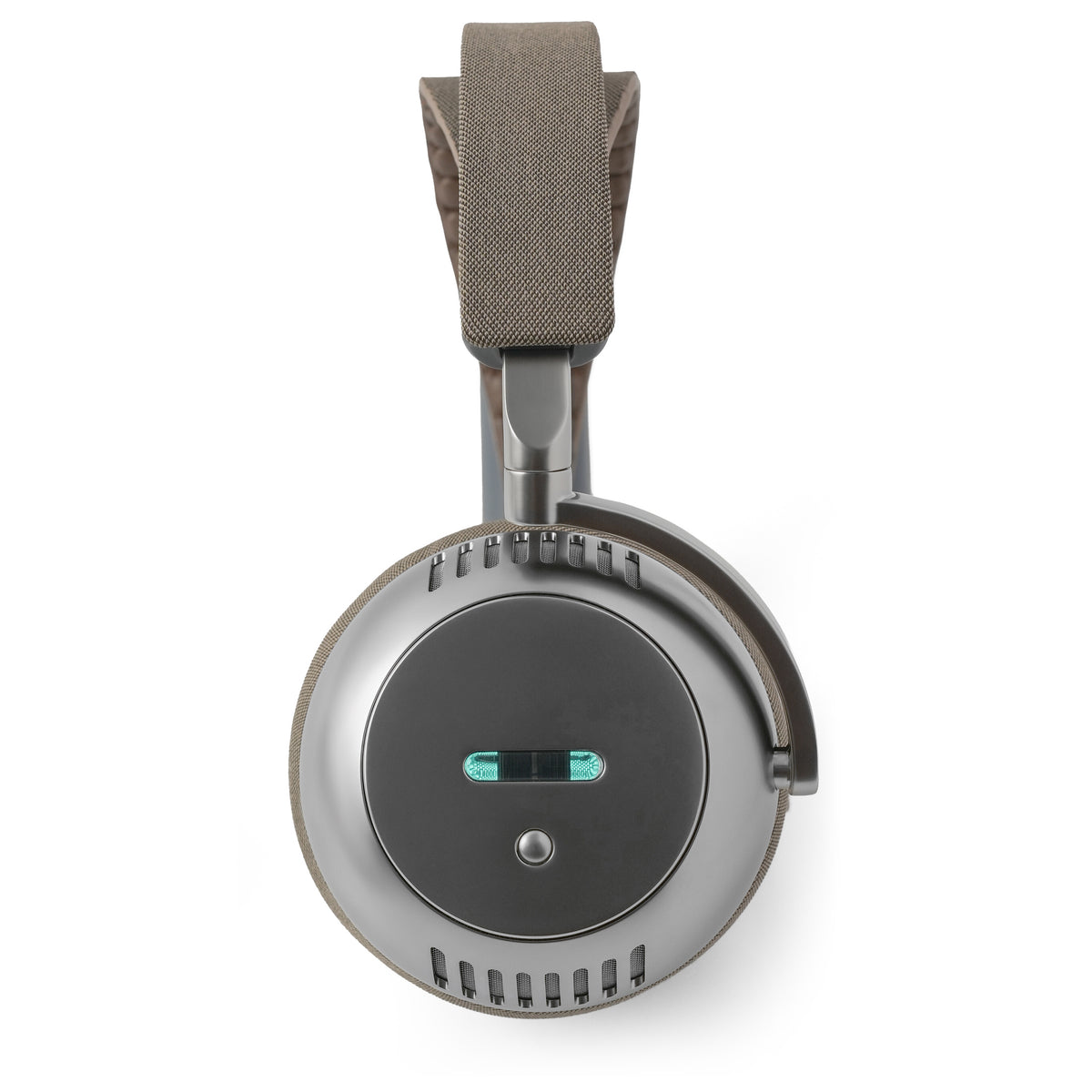
That’s why in reference-grade headphones like écoute, so much engineering effort goes into midrange linearity — from dual-mono amplification and vacuum-tube preamplification to carefully tuned transducers that preserve tonal balance across the spectrum. The goal isn’t to add warmth or sparkle but to preserve the integrity of the source, where music actually lives.
Because when the midrange is right, everything else falls into place.




Leave a comment
This site is protected by hCaptcha and the hCaptcha Privacy Policy and Terms of Service apply.